
Why Batteries Are the Most Powerful Thing You Can Add to Your Home
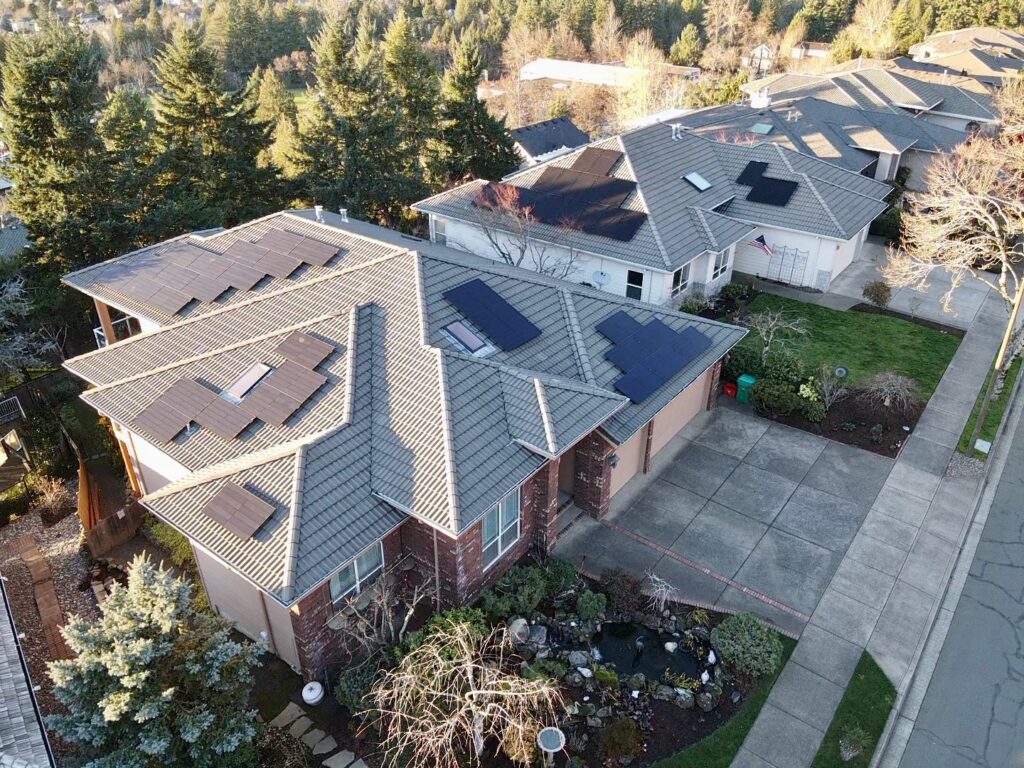
Residential solar has become increasingly common over the past decade, but the conversation is now shifting beyond generation alone. The most significant advancement in home energy systems is not simply producing electricity, but controlling when and how that energy is used.
Battery storage introduces that layer of control, fundamentally changing the relationship between a home and the electric grid.
From Generation to Control
At a basic level, a battery stores excess energy produced by a solar array during the day for use at a later time. However, reducing battery systems to simple backup devices overlooks their broader impact.
In modern energy markets, where electricity pricing and grid conditions vary throughout the day, timing is just as important as total production. Batteries allow homeowners to align their consumption with the most economically advantageous periods, rather than being subject to utility-imposed timing structures.
Time-of-use rate schedules are a primary driver behind the growing value of storage. In many regions, electricity is significantly more expensive during evening peak hours, when solar production has already declined. Without storage, homeowners must either purchase high-cost electricity from the grid or export excess daytime generation at a lower compensation rate.
A battery bridges this mismatch by capturing surplus midday production and discharging it during peak periods. This effectively arbitrages the difference between low-value export and high-cost import
Resilience and System Design
Beyond economics, battery systems also provide resilience. Grid outages, whether caused by severe weather, wildfire mitigation efforts, or infrastructure constraints, are becoming more frequent. A properly configured battery system can isolate a home from the grid and maintain critical loads during an outage.
Unlike generators, batteries operate silently, require minimal maintenance, and can be continuously recharged by solar production during extended outages.
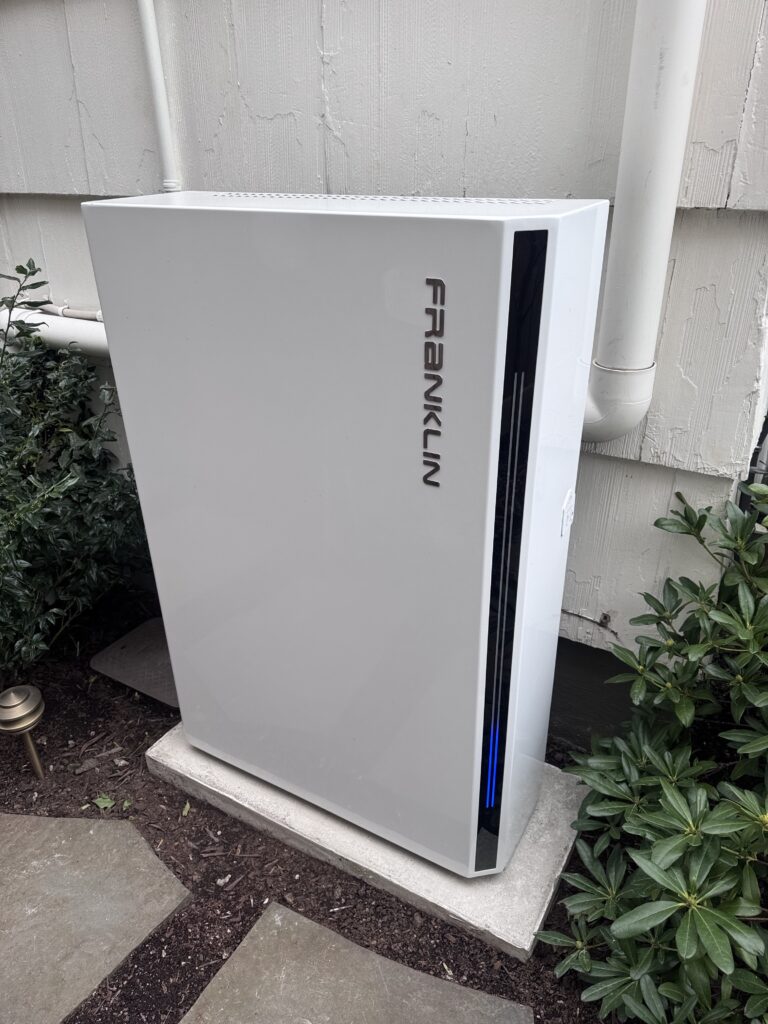
From a system design perspective, integrating battery storage requires careful consideration of load profiles, inverter capabilities, and interconnection constraints. The battery must be sized for both energy capacity in kilowatt-hours and power output in kilowatts, ensuring it can support intended loads during peak demand or outage conditions.
Inverter architecture, whether AC-coupled or DC-coupled, affects system efficiency, retrofit compatibility, and operational flexibility. More advanced systems may also incorporate load management strategies, prioritizing essential circuits to extend battery runtime.
The Bigger Picture
Battery adoption also has broader implications for grid interaction. As more homes incorporate storage, the traditional one-directional flow of electricity is replaced with a more dynamic, distributed model.
Utilities are beginning to explore virtual power plant programs, where aggregated residential batteries can provide grid services such as peak shaving or frequency regulation. While still emerging, these programs point toward a future where homes are not just consumers of electricity, but active participants in the grid.
Conclusion
Ultimately, the value of a residential battery system extends beyond backup power or incremental savings. It introduces flexibility, allowing homeowners to respond to changing rate structures, policy shifts, and grid conditions.
As the energy landscape continues to evolve, that flexibility becomes increasingly important. Homes equipped with storage are no longer passive users of electricity. They are capable of optimizing their usage, protecting against uncertainty, and maximizing the value of their solar investment.