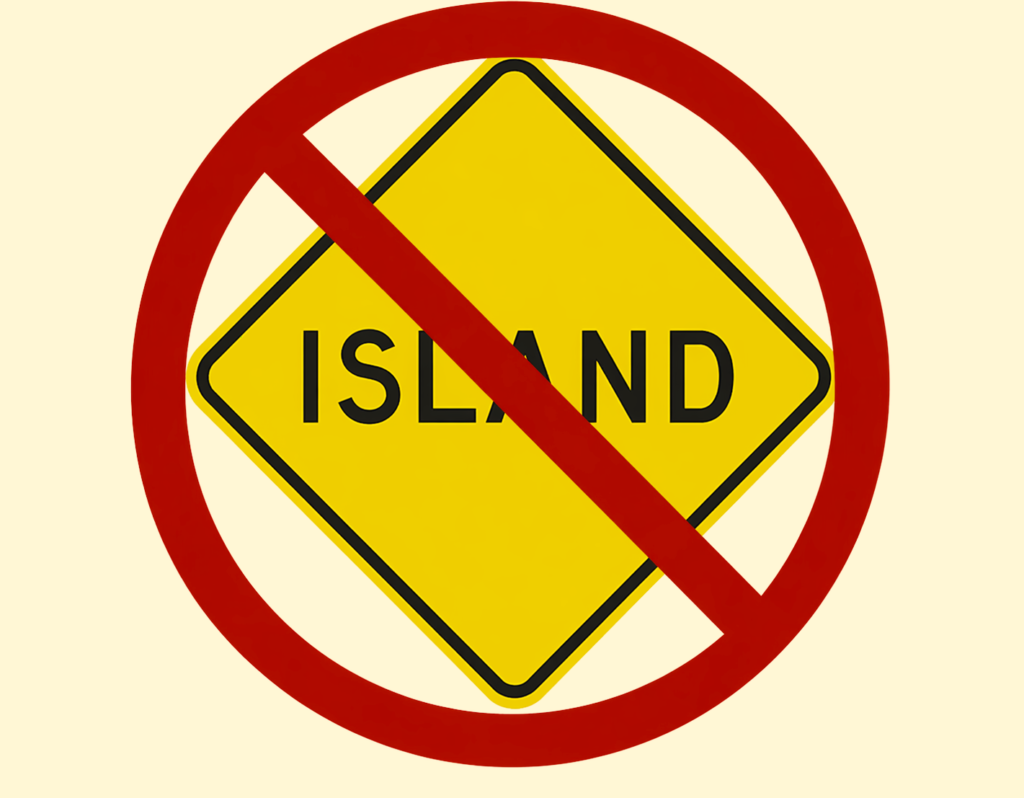
In the world of electrical systems, an “island” is exactly what it sounds like. It’s a section of power that continues operating on its own, disconnected from the larger grid. Your home, powered by solar, could become one of these islands during an outage, generating and using its own electricity independently.
But most solar systems are specifically designed not to do that.
Your system is already producing energy whenever sunlight is available. Even during an outage, your panels continue generating DC electricity. That part of the system remains active as long as the sun is shining. What changes is not production, but conversion. Your home runs on AC power, and converting DC into usable electricity requires a stable reference.
Why Solar Stops Powering Your Home
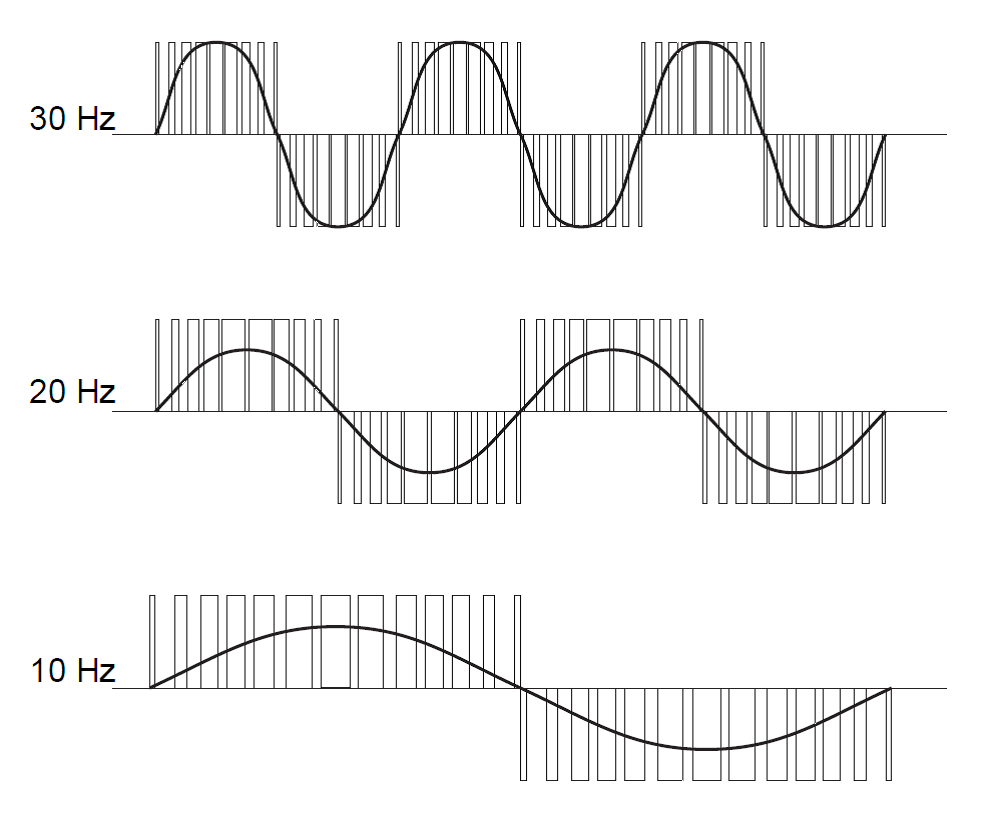
Under normal conditions, the grid provides that reference for your inverter to follow. The inverter does not simply create AC power on its own. It builds it by rapidly switching DC power back and forth across your home’s electrical system using pulse width modulation. High-speed electronic switches alternate the direction of current, producing a stepped waveform that approximates AC.
That waveform is not smooth on its own. It passes through filters inside the inverter that remove the high-frequency switching components, leaving behind a clean sinusoidal output that matches the grid’s voltage and frequency. The inverter is constantly adjusting this process in real time, staying perfectly synchronized with the grid.
When the grid goes down, that reference disappears. Without it, the inverter cannot maintain a stable output, so it stops producing AC power. This is not a limitation. It is a deliberate and essential function known as anti-islanding.
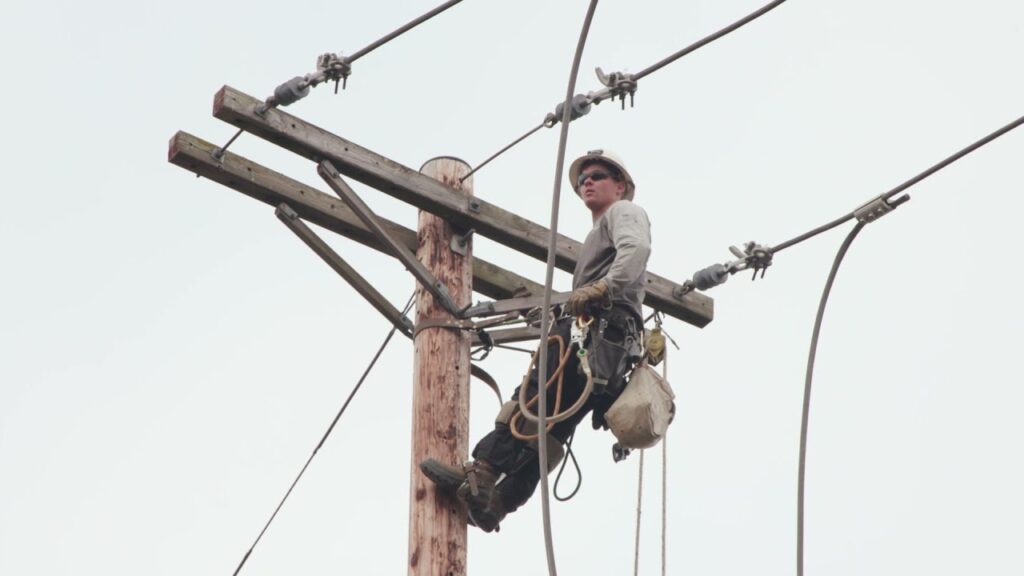
Anti-islanding prevents your system from sending power back through your service equipment and transformer onto utility lines. This protects line workers who are restoring power and ensures your system remains electrically isolated during an outage. From their perspective, your system is completely disconnected, even though your solar array is still energized on the DC side.
Portland General Electric lineman -- YouTube
How Batteries Keep the Power On
This is where system design begins to unlock new possibilities.
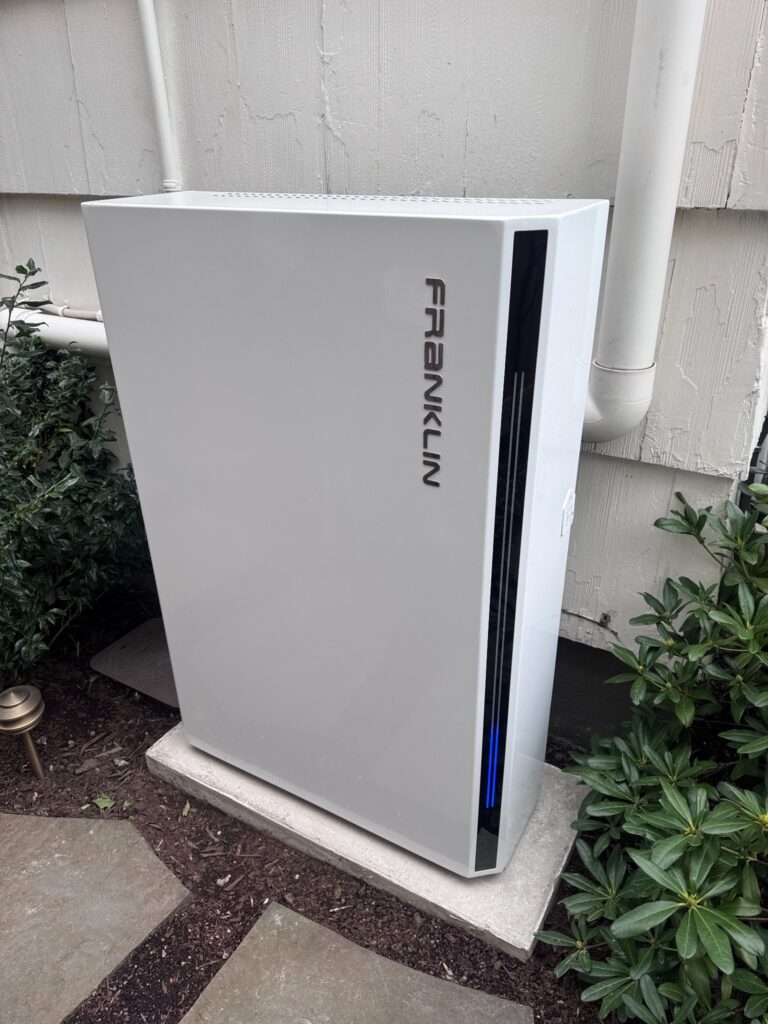
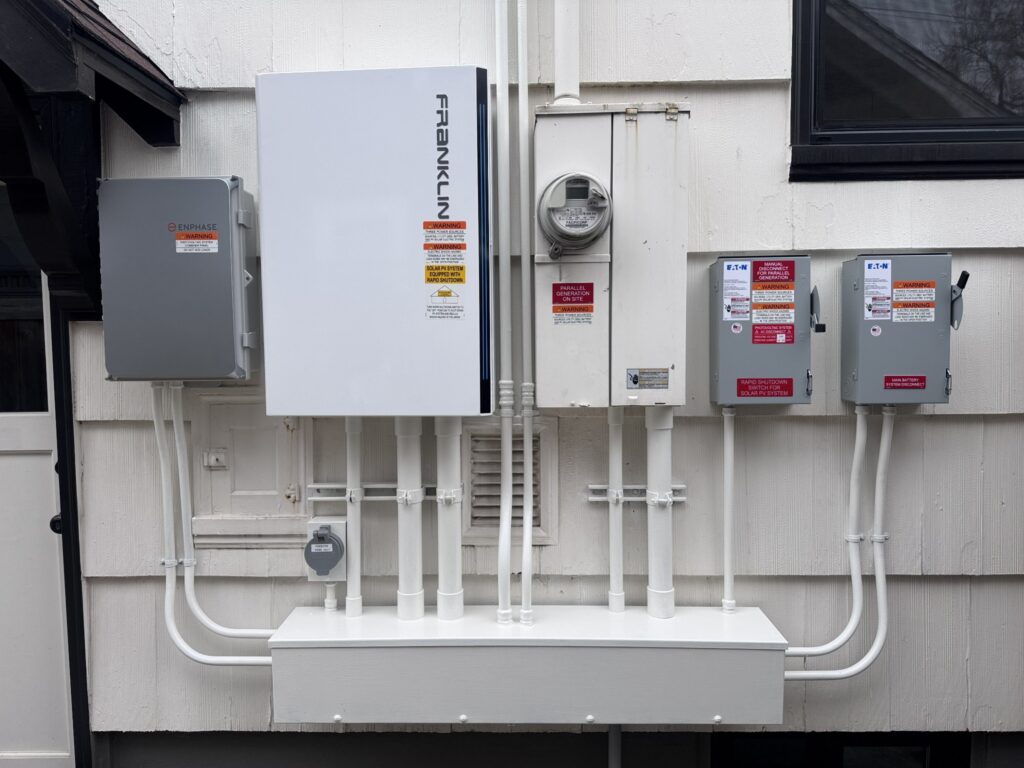
A battery system introduces a controller that can establish its own voltage and frequency within your home. Instead of relying on the grid, the battery controller creates a stable electrical reference locally. Your inverter synchronizes to that signal just as it would with the grid, allowing it to resume converting DC power into usable AC electricity.
At the same time, the battery system manages isolation from the grid. When an outage is detected, the controller works with transfer equipment to disconnect your home from the utility, preventing any possibility of backfeeding onto power lines. This transition happens automatically and within fractions of a second.
Once isolated, the battery controller forms a local electrical “island” inside the home, maintaining a stable environment that your solar system can operate within. From the utility’s perspective, your system is completely offline. Inside the home, however, your solar and battery continue working together to power your loads.