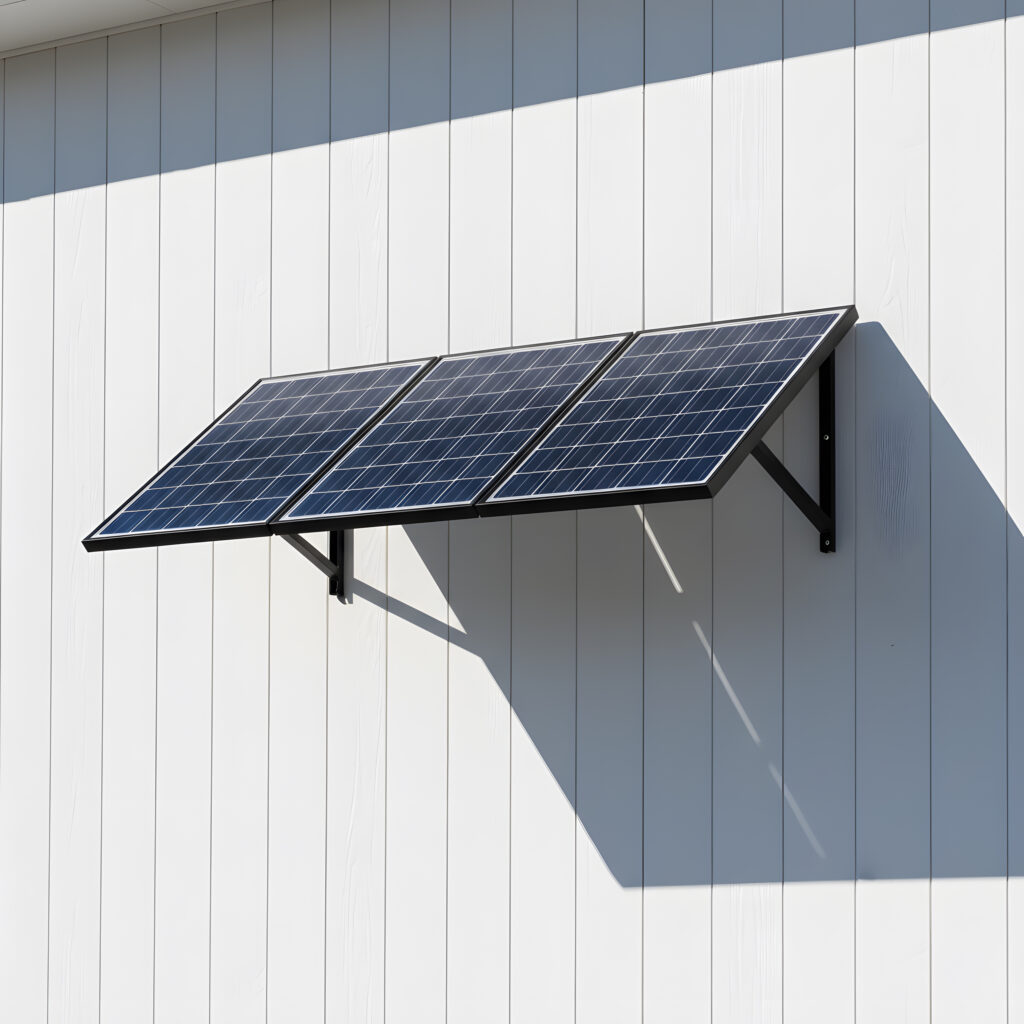
What Happens When You Run Out of Roof Space for Solar?
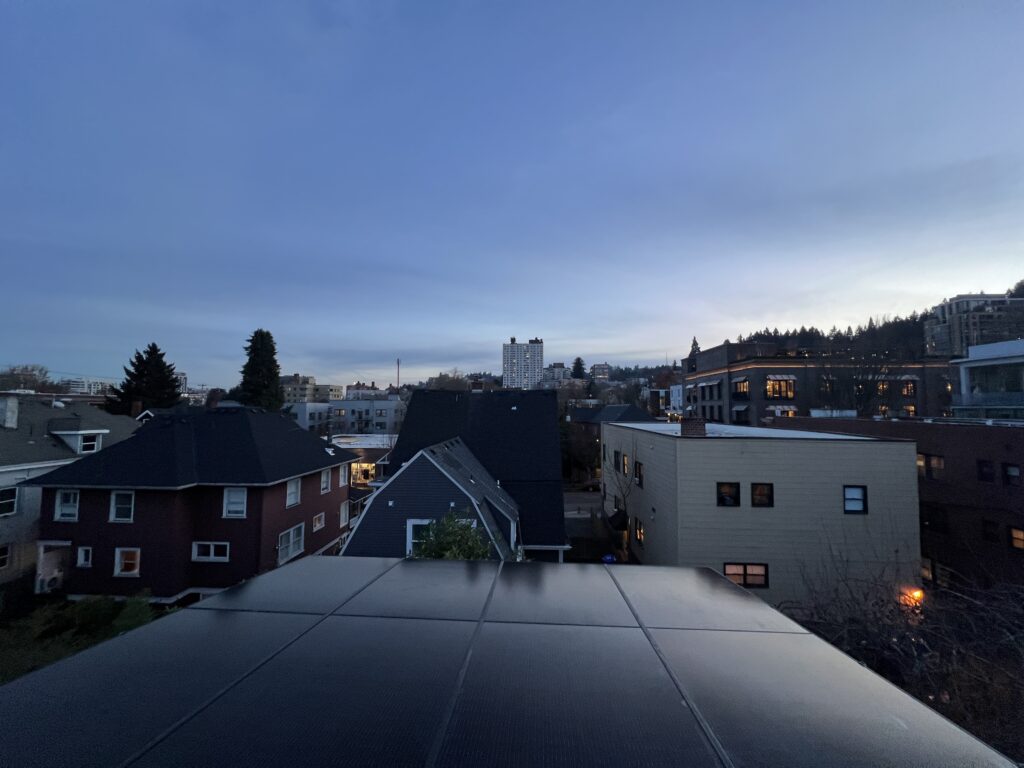
At some point in the design process, the roof reaches its limit. The best planes are already used, setbacks are respected, and there simply isn’t enough space left to install additional panels. For many homeowners, this feels like the end of their solar potential, but it’s really just a transition point. Running out of roof space doesn’t mean you’re out of options. It means it’s time to think beyond the roof and start treating solar as part of the entire property, not just the home itself.
Expanding Beyond the Roof
One of the most effective ways to continue building a system is through auxiliary structures. Instead of forcing more equipment onto a constrained roof, these structures create new, purpose-built areas for solar while also adding real functionality. Rather than feeling like a workaround, they often become some of the most valuable and noticeable upgrades a homeowner can make.
Solar Pergolas: Energy Meets Outdoor Living
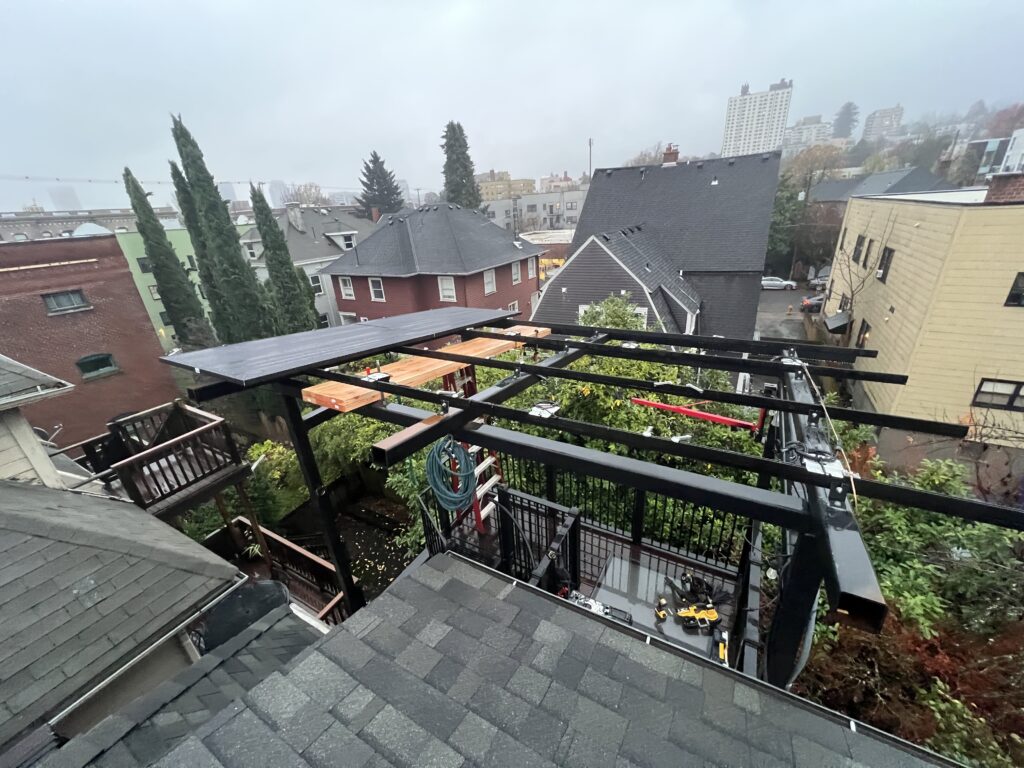
A solar pergola transforms unused backyard space into something people actually want to spend time in. It provides shade, defines an outdoor living area, and generates power throughout the day. Because it’s designed from the ground up, it can be positioned and tilted for strong solar performance, sometimes even better than a roof. What makes pergolas especially appealing is that they don’t feel like solar equipment.
Solar Carports: Practical and Efficient
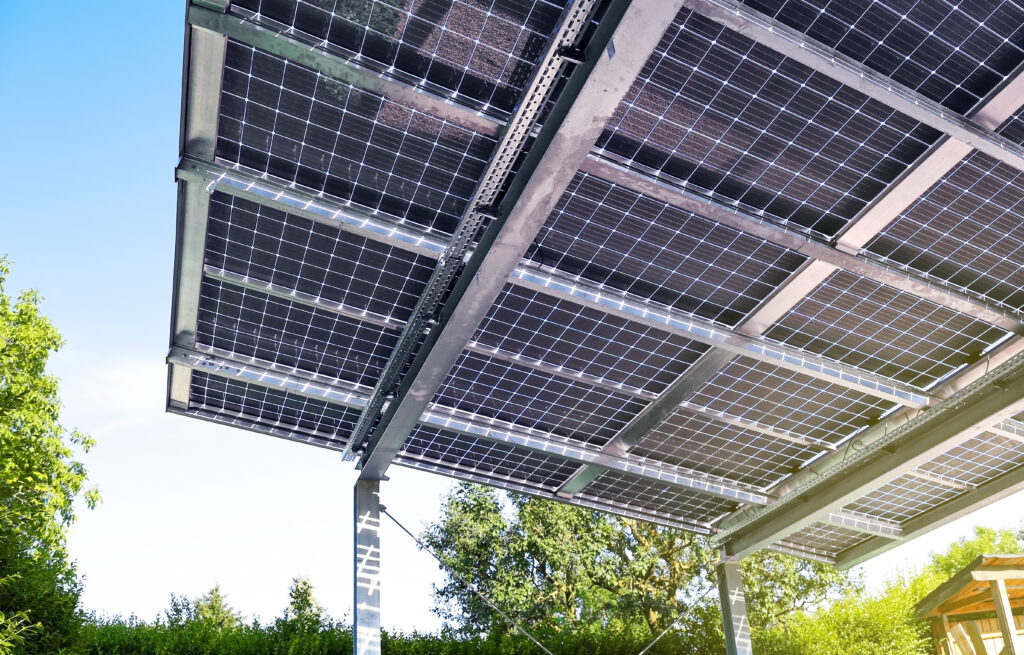
For homes with available driveway or parking space, solar carports offer a highly functional solution. They provide covered parking, protecting vehicles from sun and weather, while also producing energy in a clean and efficient layout. The open structure simplifies installation and allows for ideal positioning, making carports a strong performer from both a production and usability standpoint. They tend to appeal to homeowners who value practicality and want their solar system to serve multiple purposes.
Ground Mounts: Maximum Performance
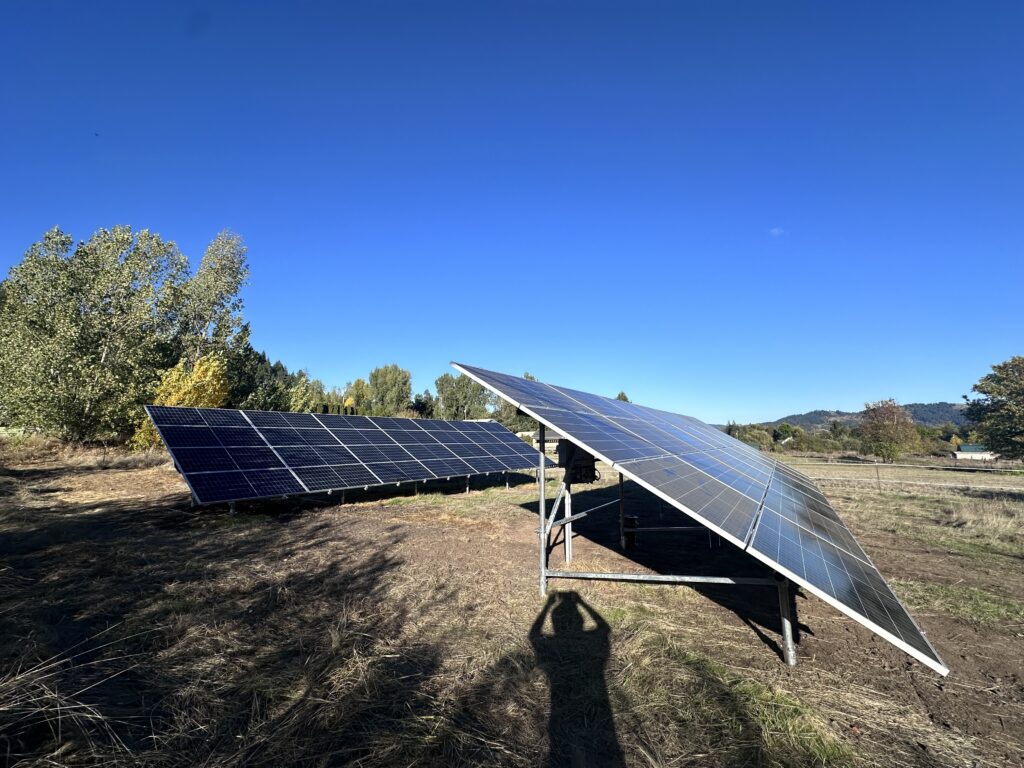
When the goal is maximizing energy production, ground-mounted systems are often the best option. By installing panels on the ground, the system can be optimized for tilt, orientation, and airflow, which improves overall efficiency. This makes ground mounts particularly effective for homeowners aiming for high energy offset. While they require available land and additional installation work, such as trenching, they deliver a level of performance that rooftop systems often can’t match.
Solar Patio Covers and Awnings: Seamless Integration
Solar patio covers and awnings provide a more integrated approach. Attached directly to the home, they extend living space while offering protection from sun and rain. These structures feel like a natural extension of the home’s design and can enhance both appearance and functionality. While they may not offer the same flexibility in orientation as freestanding structures, they still provide meaningful energy production and are a strong choice for homeowners who want a cohesive look.