
How We Installed Solar on a Vertical Fence
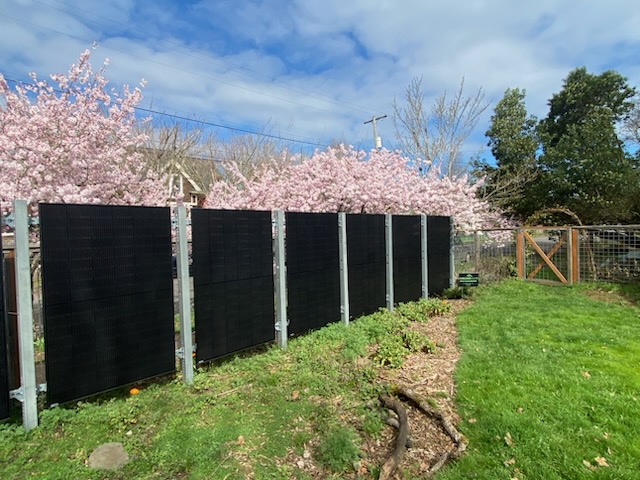
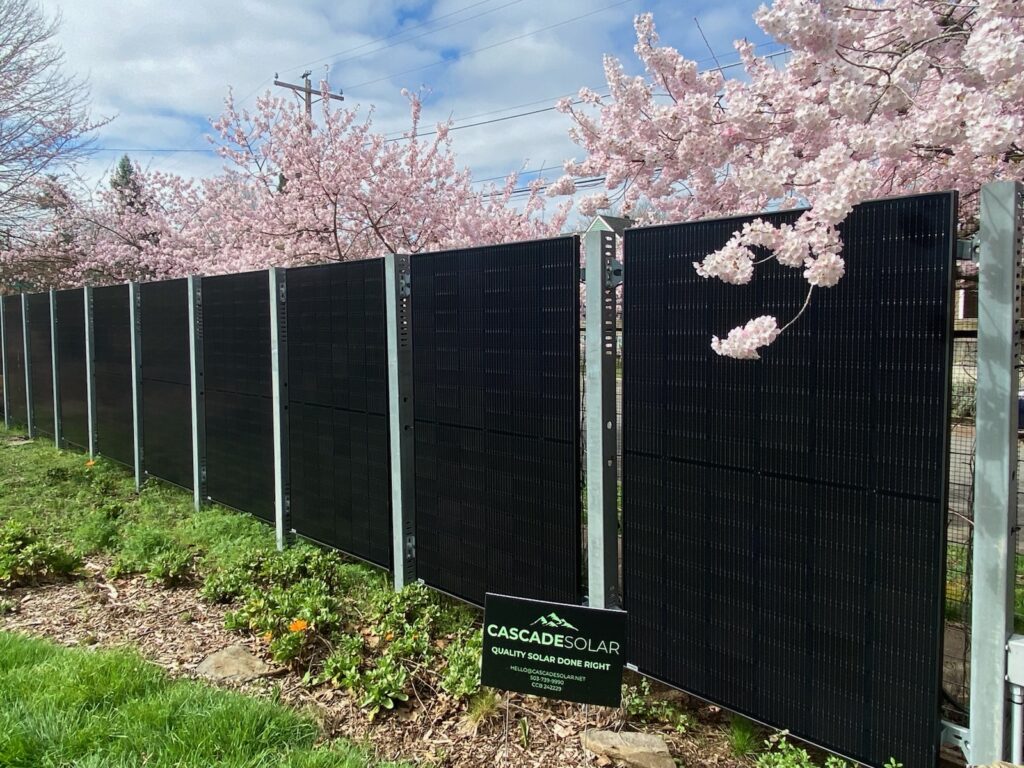
Most residential solar systems are installed on rooftops. This project required a different approach.
The homeowner wanted to generate more of their own electricity, but their property presented a challenge. The home featured a metal shingle roof, and at the time, rooftop solar was not a practical option. Many installers either declined to pursue the project or proposed solutions that significantly increased costs.
To help offset a portion of the home’s electrical usage, we first designed and installed a solar pergola. While successful, the pergola could only accommodate a relatively small system and would not provide the level of production the homeowner hoped to achieve.
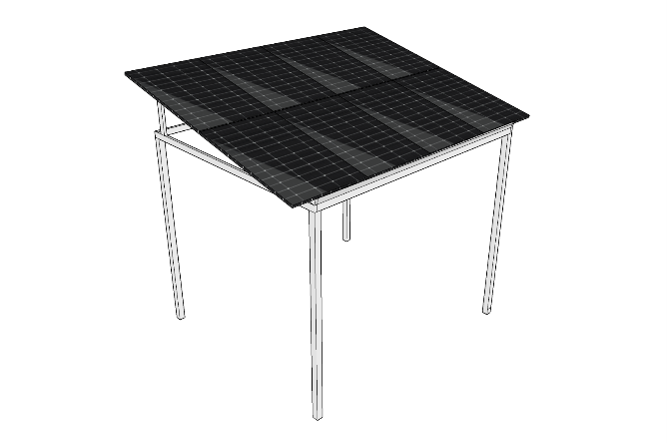
As we explored alternatives, an unconventional idea emerged: a solar fence.
Rather than treating the property’s boundary as unused space, we could transform it into a productive, energy-generating asset. The fence would continue to provide privacy and define the property line while also producing clean electricity.
Designing the Fence
The solar fence system itself was supplied by SunZaun, a company that specializes in vertical solar fencing applications.
Early in the project, we believed the design was ready to move forward. During a site visit, however, we discovered that the original layout did not fully account for the dimensions of the fence posts, clamps, and mounting hardware.
What started as a routine confirmation visit quickly turned into a complete redesign.
We measured every component, worked backward from the available space, and rebuilt the layout from scratch. In the end, we removed four solar modules from the design to ensure the system would fit properly while maintaining the appearance and functionality we wanted.
The Project Almost Didn't Happen
Installing the fence required specialized pile-driving equipment capable of driving steel posts deep into the ground. The machine needed a relatively flat approach and, according to the original specifications, approximately fourteen feet of overhead clearance.
The property was located on a triangular lot, which created an unexpected problem. One side was bordered by the home itself. Another side was lined with sidewalks and mature cherry trees. The only area with suitable ground access was bordered by a large tree whose branches extended over nearly the entire work area.
After evaluating the site, we concluded there was no location that provided the required clearance. For a brief period, it appeared the project might have to be cancelled.
When we shared our concerns with SunZaun, they revealed an alternative configuration for the equipment that reduced the required overhead clearance from fourteen feet to approximately eight feet. That single adjustment completely changed the situation and allowed the project to move forward.
Moving the Bees

The property also included several active beehives.
Driving fence posts into the ground creates substantial vibration, and it quickly became clear that the hives would need to be relocated for everyone’s safety.
The homeowner ultimately transported the hives to another property nearly two hours away before construction could begin. While not something we anticipated during the initial design process, it became one more memorable part of an already unique project.
Installation Day
Once the equipment arrived and the posts were installed, construction moved surprisingly quickly.
One challenge with any fence installation is that the ground is rarely perfectly level. Small variations in grade can become noticeable over long distances, particularly when working with large solar modules.
Because vertical solar fences are often installed in utility-scale applications where aesthetics are less important, achieving a clean residential appearance required additional attention from our crew.
The team carefully adjusted and aligned the modules throughout the installation to create the straight, uniform appearance you see today. Those small adjustments made a significant difference in the finished result.
A Different Way to Think About Solar
One pleasant surprise was how straightforward permitting proved to be. Because the structure was ultimately treated much like a fence with solar attached, the project only required an electrical permit before moving forward.
The project’s challenges came from adapting an innovative product to a residential property with unique site conditions. Once those details were solved, the installation itself was remarkably straightforward.
Today, the completed fence provides privacy, defines the property boundary, and generates clean electricity from space that would otherwise serve only a single purpose.
Most homeowners think of solar as something that belongs on a roof. This project demonstrated that when circumstances call for a different approach, there are often more possibilities than people realize.