
Will Net Metering Change in Oregon?
If you’re considering going solar in Oregon, you’ve probably heard people asking the same question:
“Should I install solar now before net metering changes?”
It’s a fair question.
Over the past several years, many states have reduced the value of excess solar energy exported to the grid. California made headlines when it dramatically lowered compensation for new solar customers, and other utilities across the West have proposed similar changes. While Oregon’s net metering program remains in place today, many homeowners are understandably wondering whether it will eventually follow the same path.
The reality is that nobody can predict exactly what future utility policies will look like. However, understanding how net metering works today, why utilities are discussing changes, and what those changes could mean can help you make an informed decision.
How Net Metering Works Today
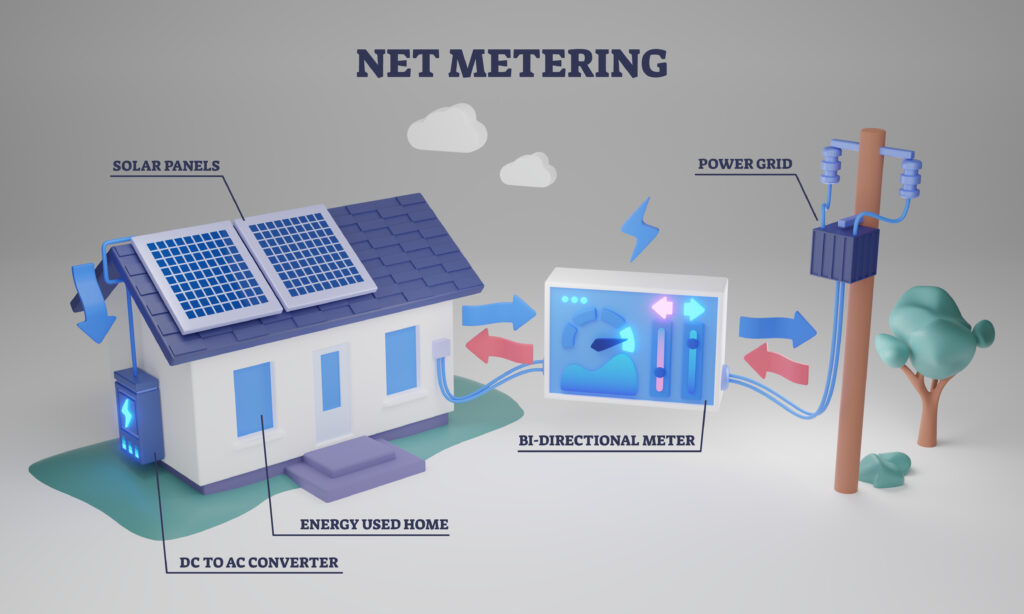
When your solar system produces more electricity than your home is using, the excess energy flows back to the utility grid.
Under Oregon’s current net metering rules, that exported electricity earns bill credits that offset the electricity you purchase later, such as after sunset or during the winter months. Credits roll forward throughout the annual billing cycle, allowing your summer production to help cover your winter usage. Oregon law currently requires investor-owned utilities to offer net metering for eligible customers.
For many homeowners, this simple exchange is one of the biggest reasons solar provides such attractive long-term savings.
Why Are People Talking About Changes?
Electric utilities are managing a power grid that looks very different than it did twenty years ago.
As more homes install rooftop solar, utilities argue that traditional net metering was designed for a much smaller number of solar customers. They point out that while solar owners purchase less electricity from the grid, they still rely on that grid at night, during storms, and throughout the winter. Utilities believe future rate structures should better reflect the costs of maintaining that infrastructure.
Solar advocates, on the other hand, argue that distributed solar reduces strain on the electrical system, decreases the need for expensive transmission upgrades, and provides clean energy close to where it’s consumed.
Those competing viewpoints are driving discussions across the country about how solar customers should be compensated in the future.
Could Oregon Follow Other States?
It’s certainly possible.
Oregon has not announced a replacement for its current residential net metering program, but utilities have discussed alternative billing structures for future solar customers. Similar conversations have already led to significant policy changes in several other states.
That doesn’t necessarily mean solar becomes a poor investment.
Instead, it usually changes how homeowners maximize the value of their systems.
Rather than exporting large amounts of electricity during the day, future homeowners may receive greater value by storing that energy in a home battery and using it during the evening when electricity costs more.
What About Existing Solar Customers?
One of the biggest questions homeowners ask is whether they’ll lose their current benefits if the rules change later.
Historically, many states have allowed existing solar customers to keep their original compensation structure for a number of years after new rules take effect. This practice is commonly called grandfathering.
Oregon has not announced what a future transition would look like, so no one can promise that existing systems would receive grandfathered treatment. However, protecting current customers during policy transitions has been common in many other states.
Does That Mean You Should Wait?
In our opinion, waiting for policy certainty rarely benefits homeowners.
Electricity prices have generally increased over time, incentives change periodically, and the sooner a solar system begins producing energy, the sooner it starts reducing utility bills.
If future policies become less favorable, homeowners who installed earlier may have already accumulated years of energy savings.
Batteries May Become Even More Valuable
Regardless of what happens with net metering, battery storage continues to become more important.
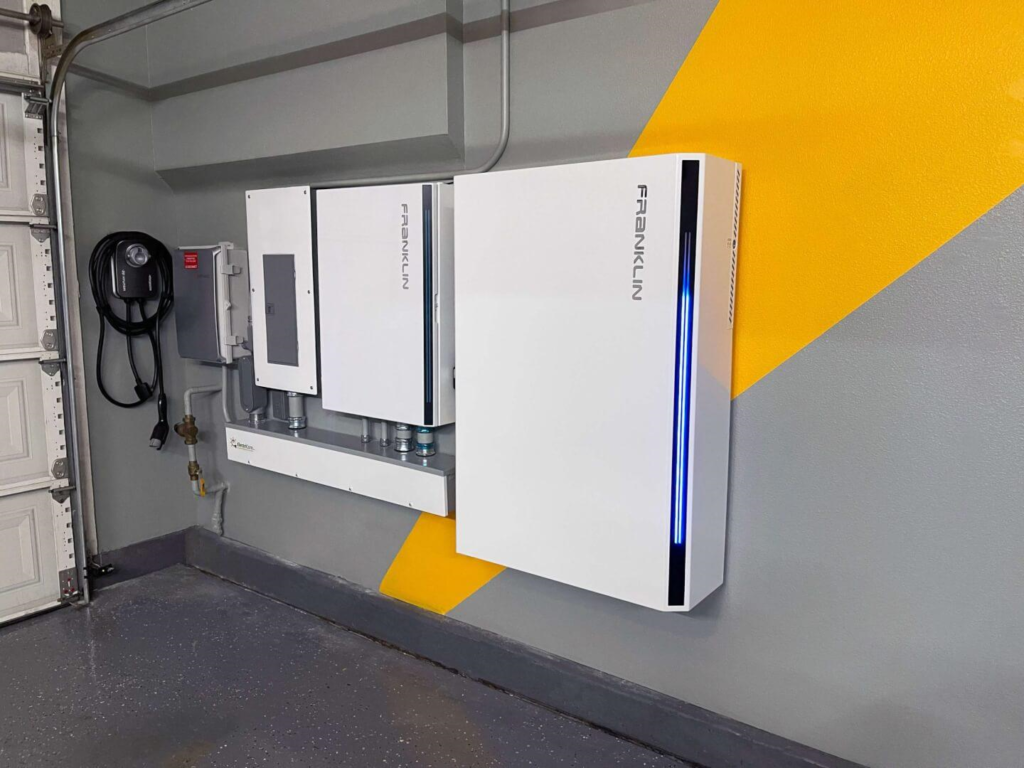
A battery allows your home to store excess solar production instead of immediately sending it back to the grid. That stored energy can then be used during the evening, during peak utility pricing periods, or during a power outage.
If Oregon eventually adopts a billing structure that pays less for exported electricity, batteries could help homeowners keep and use more of the energy they generate themselves.
Oregon's Solar Industry Is Advocating for Homeowners
While future policy changes are always possible, Oregon homeowners are not facing those conversations alone.
Cascade Solar is proud to be a member of the Oregon Solar + Storage Industries Association (OSSIA), a statewide organization that advocates for policies supporting rooftop solar, battery storage, and consumer choice.
In recent years, OSSIA has actively participated in regulatory proceedings and public outreach efforts to preserve fair net metering policies and ensure the benefits of distributed solar are represented as utilities and regulators evaluate the future of Oregon’s electric grid.
That advocacy matters. Utility policy has a direct impact on the value of rooftop solar, and organizations like OSSIA help ensure that homeowners, local businesses, and the solar industry have a voice in the conversation alongside utilities and regulators.
While no one can predict exactly how future policies will evolve, it’s reassuring to know that Oregon’s solar industry is actively engaged in helping shape those discussions.