
Can My Roof Support Solar Panels?
A Portland Homeowners Guide
Many people know their roof is getting older but aren’t sure whether it needs to be replaced before installing solar. Others have unique roofing materials, such as cedar shake or a flat membrane roof, and wonder if solar is even possible.
The good news is that most roof types can support a solar installation. The key is making sure the roof is in good condition and selecting the right mounting system for the job. At Cascade Solar, every project begins with evaluating the roof itself so we can recommend the best long-term solution.
Asphalt Composition Shingles
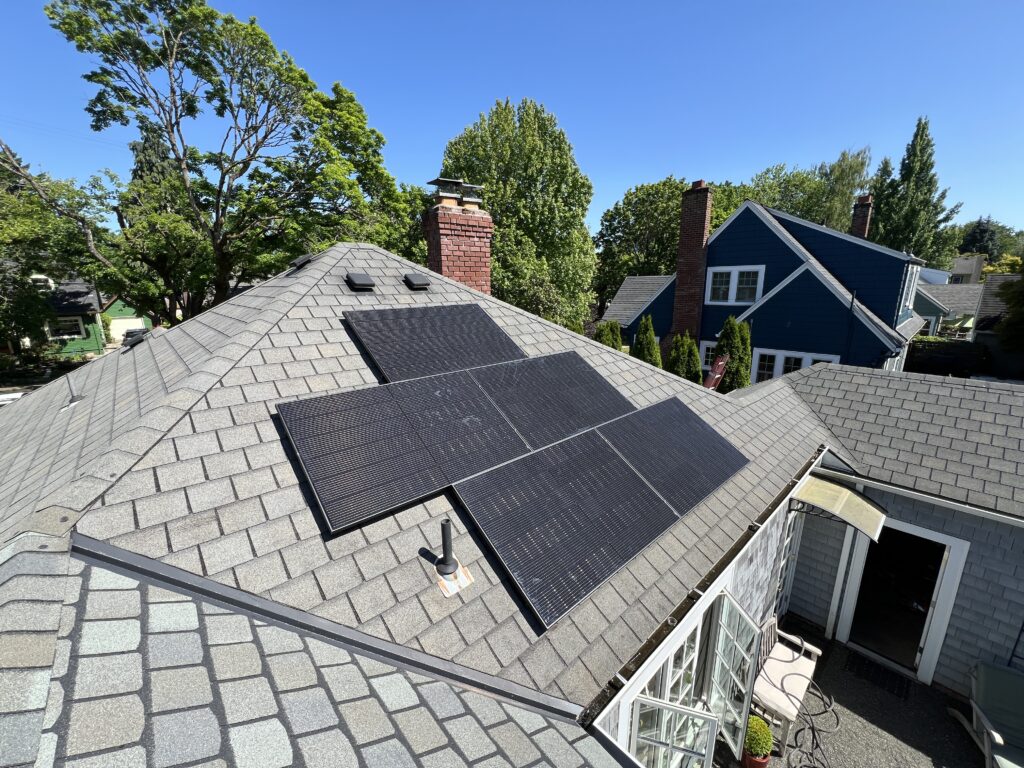
Asphalt composition shingles are by far the most common roofing material in the Portland area and are generally the simplest roof type for solar installation.
Modern mounting systems use flashed attachments that are designed to keep water out while securely fastening the array to the home’s structural framing. When installed correctly, these systems provide a durable, weather-resistant attachment designed to last for decades.
If your roof has only a few years of life remaining, it may be more economical to replace the roof before installing solar. Removing and reinstalling an array later adds labor and cost that can often be avoided with proper planning.
Cedar Shake Roofs
The Pacific Northwest has far more cedar shake roofs than many other parts of the country. While they were once a popular roofing choice because of their natural beauty and durability, many cedar roofs are now reaching the end of their expected service life.
At Cascade Solar, we do not install solar on cedar shake roofs.
In addition to many cedar roofs nearing the end of their lifespan, wood shake roofing presents unique installation and fire code considerations that make it unsuitable for our installation standards. If your home has a cedar shake roof and you’re interested in solar, replacing the roof first is typically the best long-term solution.
Many homeowners choose to reroof with asphalt composition shingles or standing seam metal before installing solar, creating a durable roofing system designed to last alongside their new solar array.
Tile Roofs
While tile roofs are less common in the Portland area, we do encounter them from time to time. Solar can often be installed on tile roofs, but every project requires additional evaluation.
The biggest consideration is the condition of the tiles themselves. Older concrete or clay tiles can become brittle with age and may crack during installation. Our team carefully evaluates the roof to determine whether it’s suitable for solar and whether replacement tiles or specialized mounting methods may be required.
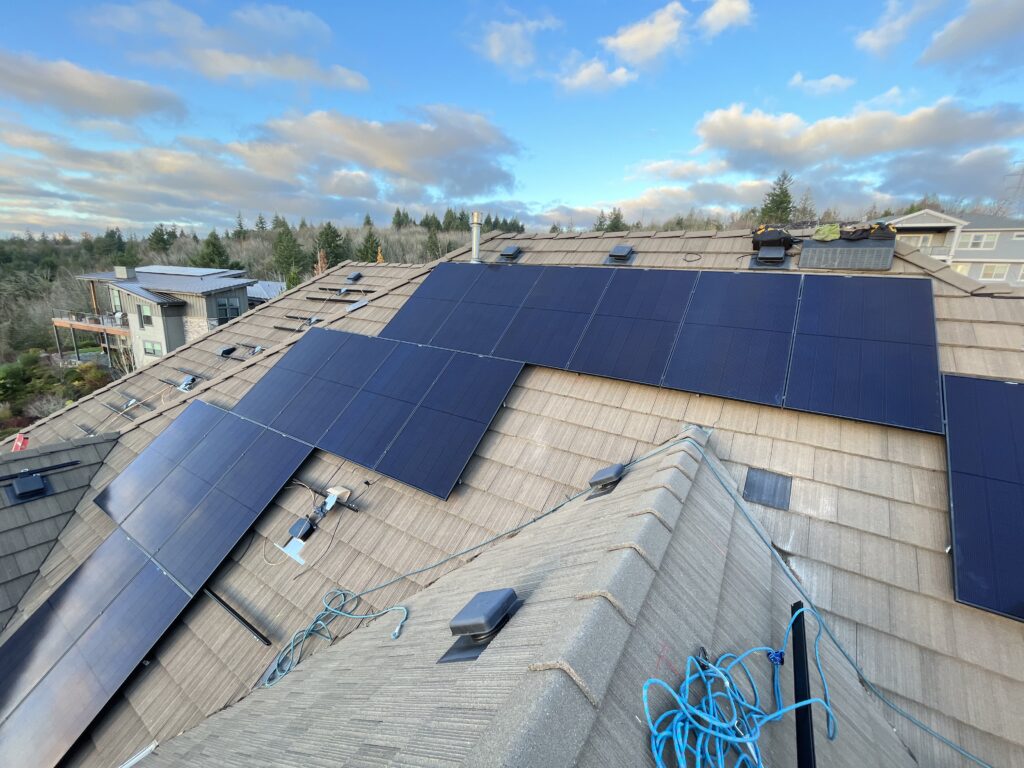
Tile roof installations also require structural engineering to verify the roof can safely support the solar array and mounting system. Every tile roof is unique, so engineering review is an important part of designing a safe, code-compliant installation.
Low-Slope Membrane Roofs
Portland homes frequently include low-slope roof sections over garages, additions, or modern home designs. These roofs are commonly finished with modified bitumen (torch-down), TPO, or EPDM membranes.
Although they require different mounting methods than asphalt shingles, they are excellent candidates for solar when installed correctly.
The most important factor is preserving the waterproofing system. Installers should use mounting hardware specifically designed for membrane roofing and carefully seal every roof penetration. A properly installed system maintains the roof’s weather protection while securely supporting the array.
Standing Seam Metal Roofs
Standing seam metal roofs are becoming increasingly popular throughout Oregon, and they’re often one of the easiest roof types for solar.
Many standing seam mounting systems clamp directly to the raised seams without penetrating the roofing material at all. Fewer penetrations can simplify installation while preserving the roof’s waterproof integrity.
Metal roofs also tend to have long service lives, making them an excellent match for a solar system that may operate for 30 years or more.
What About Multiple Layers of Shingles?
Older homes occasionally have a second layer of shingles installed over the original roof rather than removing the existing roofing.
This doesn’t necessarily prevent solar installation, but it does require additional evaluation. Extra roofing layers increase weight and can make it more difficult to inspect the roof deck beneath. They may also indicate the roof is approaching the end of its useful life.
Before recommending solar, we verify that the roof structure remains suitable and discuss whether reroofing first may be the better long-term investment.
When Should You Replace Your Roof Before Going Solar?
One of the biggest decisions homeowners face is whether to replace the roof before installing solar.
In general, replacing the roof first is worth considering if:
- Your roof is nearing the end of its expected lifespan.
- There are active leaks or signs of water damage.
- Significant repairs are already needed.
- You expect to reroof within the next 10 to 15 years.
Solar panels can certainly be removed and reinstalled during a future reroof, but avoiding that extra expense upfront often results in a better long-term value.