
How to Avoid Solar Scams
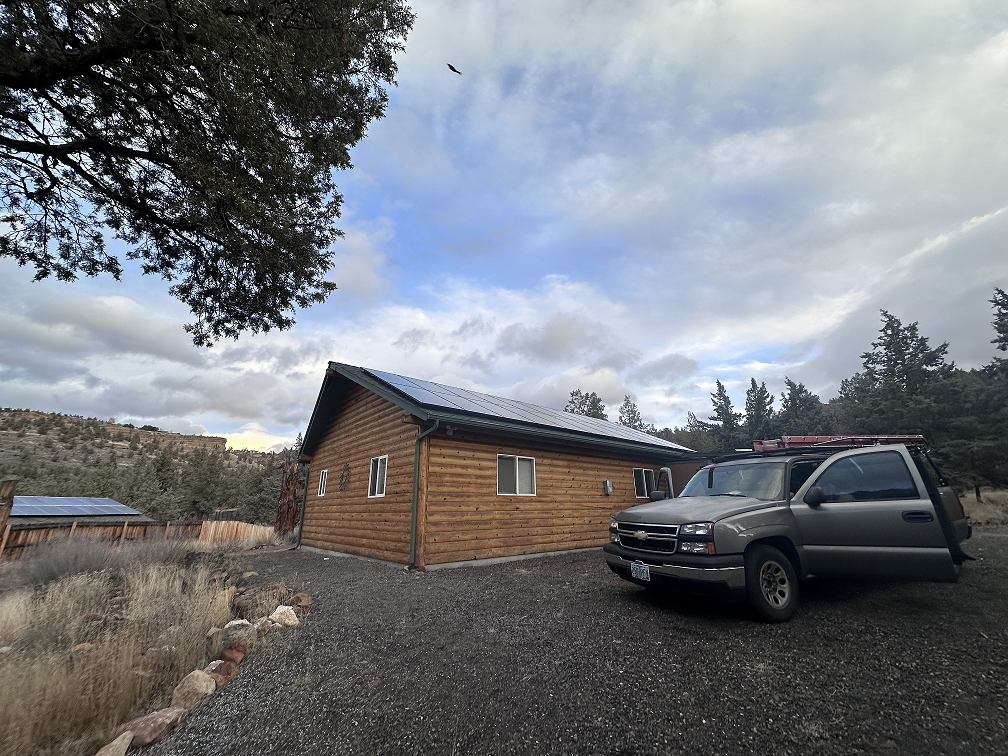
Solar can be a great investment for your home, but like any major home improvement, it pays to know exactly what you’re buying. Unfortunately, misleading sales tactics have become common enough in the solar industry that Oregon recently adopted new consumer protections specifically for residential solar customers.
The good news is that most warning signs are fairly easy to spot once you know what to look for.
Be Skeptical of “Free Solar”
One of the biggest red flags is an advertisement or salesperson claiming that you qualify for “free solar,” a special government solar program, or a program that will install solar at no cost to you.
Solar incentives can significantly reduce the cost of a system, but that doesn’t mean the system itself is free. The Federal Trade Commission specifically warns consumers to be cautious of companies claiming that government programs will cover the entire cost of installing solar.
Before relying on any incentive, find out exactly what it is, who provides it, whether you qualify and how it affects the final price you will pay.
Verify Who the Salesperson Actually Represents
Be cautious when someone implies they work for your electric utility, the government or an organization such as Energy Trust of Oregon.
If you’re unsure, don’t rely on a logo, shirt or badge. Contact the organization directly and verify the salesperson’s claim.
Energy Trust of Oregon has specifically warned homeowners about solar sales organizations claiming to work with utilities or other organizations when they do not.
Don't Let Anyone Rush You Into Signing
Solar is a major purchase that can affect your home and finances for decades. There should rarely be a reason you need to make the decision immediately.
Be wary of claims that a price, incentive or program disappears if you don’t sign that day. A reputable contractor should be comfortable giving you time to review the proposal, research the company and compare your options.
Get More Than One Quote
One of the easiest ways to identify a questionable solar offer is simply to compare it with other proposals.
Energy Trust recommends obtaining at least three bids. Different contractors may recommend different equipment, system sizes and designs, so don’t compare only the final price.
Look at the proposed system size, estimated annual production, equipment, warranties, financing and any additional work included in the contract.
If one proposal promises dramatically more savings or production than the others, ask why.
Understand the Financing
A low monthly payment doesn’t necessarily mean you’re getting a good deal.
If you’re financing your system, ask for the actual purchase price, interest rate, loan term, total amount financed and total amount you’ll pay over the life of the loan.
This also makes it easier to compare a financed proposal with a cash proposal. Financing can be useful, but homeowners should understand the complete cost rather than making a decision based only on the monthly payment.
Be Careful With Promises About Your Electric Bill
Solar can dramatically reduce the amount of electricity you purchase from your utility, but promises that you’ll “never have an electric bill again” deserve scrutiny.
Your results depend on your electricity usage, system production, utility rates and the rules governing how your utility credits excess solar production.
Ask the contractor to explain exactly how they calculated your estimated savings and what assumptions they used.
Be Skeptical of “Free Solar”
Before signing a contract, research the company that will actually be responsible for installing your system.
In Oregon, homeowners can verify a contractor’s license through the Oregon Construction Contractors Board. Energy Trust of Oregon also maintains a network of qualified Trade Ally contractors.
Pay particular attention to who is responsible for the installation and warranty. The company selling you the system isn’t always the company that will ultimately install or service it.
Oregon Homeowners Have New Solar Protections
As of June 5, 2026, Oregon’s new residential solar consumer protection law requires additional disclosures before a residential solar system is sold or leased.
Among other requirements, contractors must provide homeowners with clearer information about system costs and financing terms.
These protections are helpful, but they’re not a substitute for doing your own research.
Take Your Time
The simplest way to avoid most solar scams is to treat solar like the major home investment that it is.
Research the contractor. Compare multiple proposals. Verify incentives independently. Read the financing terms. Ask questions when something doesn’t make sense.
A reputable solar contractor shouldn’t need to pressure you into buying solar. They should be able to explain why the system they’re proposing makes sense for your home.