
7 Common Solar Project Delays (and How We Avoid Them)
Between engineering, permitting, utility approvals, equipment coordination, inspections, and final permission to operate, there are several steps that have to come together before your system can begin producing power. Some delays are unavoidable, while others can often be prevented through careful planning and attention to detail. Understanding the process helps set realistic expectations and highlights why choosing an experienced installer matters.
1. Utility Applications
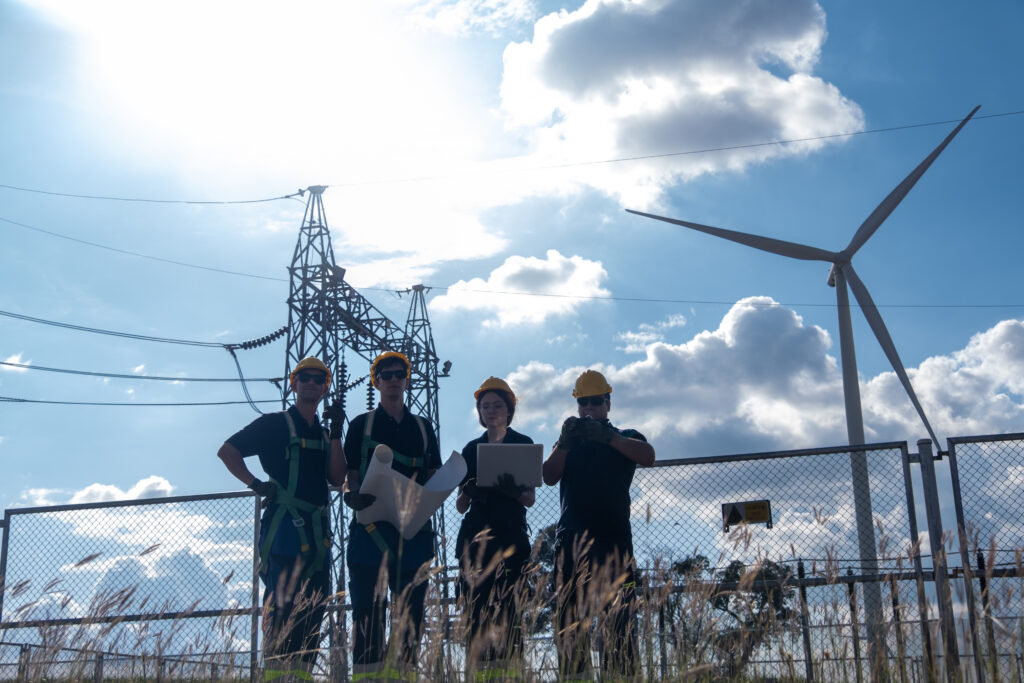
Before a solar system can be installed, the local utility company must review an interconnection application to ensure the proposed system can safely connect to the electrical grid. These applications include detailed electrical diagrams, equipment specifications, system sizing information, and supporting documentation that must all be consistent with one another.
If information is missing or documents don’t match, the utility may request revisions before continuing its review. While these corrections are often relatively minor, each additional review cycle extends the project timeline. Taking the time to prepare complete, accurate applications from the beginning helps keep the approval process moving as efficiently as possible.
Our engineering and quality assurance process includes multiple reviews before anything is submitted. Catching inconsistencies early helps reduce revision requests and keeps utility approval moving forward.
2. Permitting and Plan Review

Nearly every residential solar installation requires permits from the local building department. Depending on where you live, permit approval may take only a few days or several weeks, especially during busy construction seasons when review departments have higher workloads.
Building officials occasionally request plan revisions or additional information before issuing permits. These requests are a normal part of the permitting process, but complete engineering plans and careful code review before submission can help reduce unnecessary delays and avoid multiple rounds of corrections.
Every permit package is reviewed for code compliance before submission.
3. Existing Electrical System Upgrades
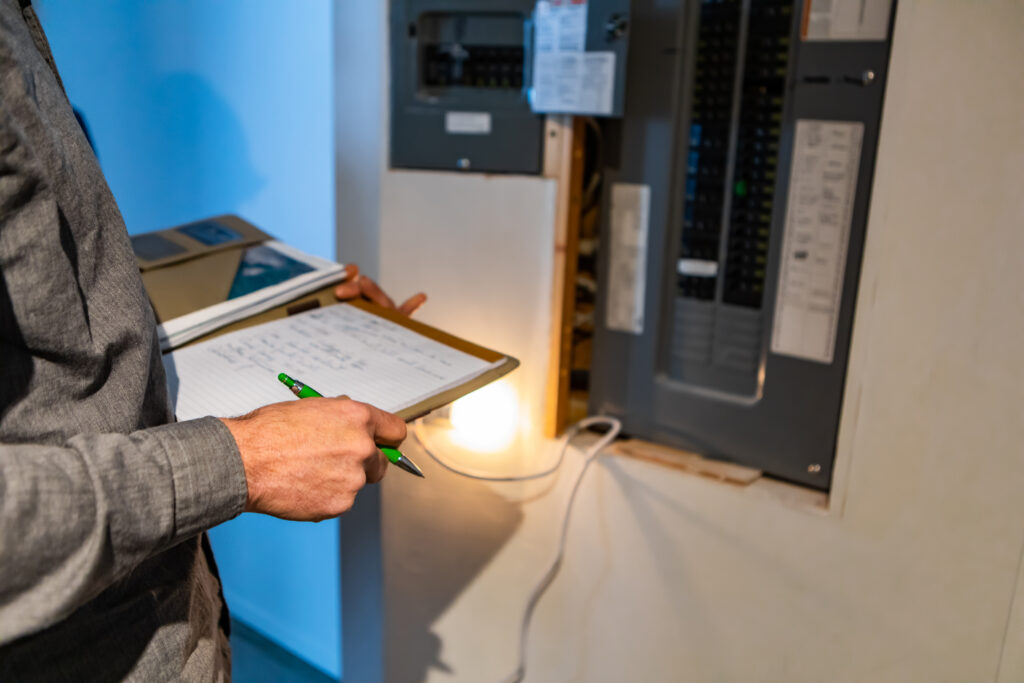
Sometimes a home needs electrical improvements before solar can be safely installed. An older main service panel may need additional capacity, existing equipment may no longer meet current electrical code, or other upgrades may be necessary before the new solar equipment can be connected.
Identifying these requirements during the site evaluation allows homeowners to make informed decisions early in the process. Discovering them after installation has already been scheduled often leads to unexpected delays, additional coordination, and rescheduling of installation crews.
We evaluate the home’s electrical system during the design phase whenever possible. Identifying service panel or code issues before scheduling installation helps prevent costly surprises later.
4. Equipment Availability
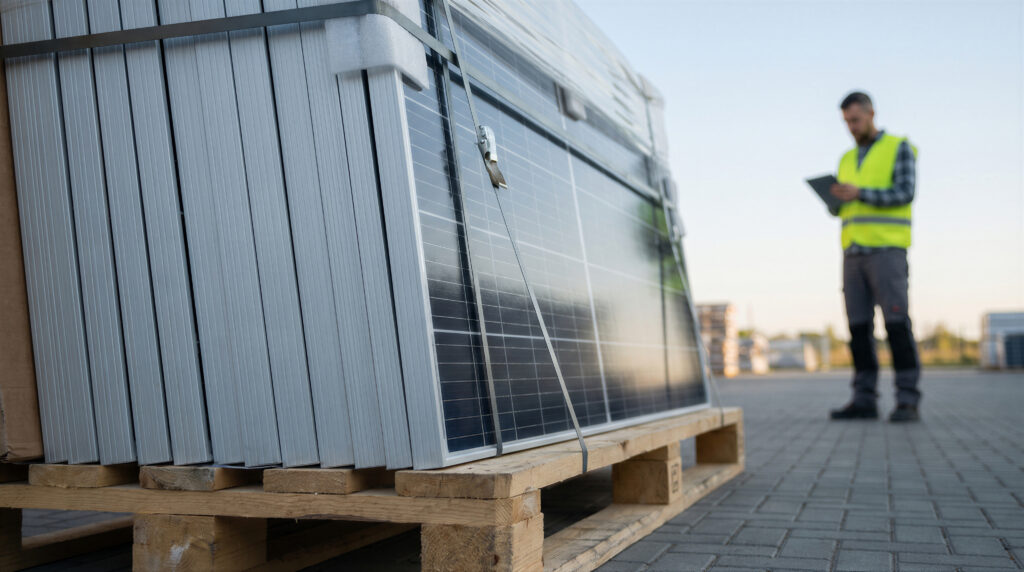
The solar industry relies on equipment from several manufacturers, including solar modules, inverters, batteries, racking systems, and electrical components. While supply chains have improved significantly over the past few years, certain products can still become temporarily unavailable or experience extended lead times.
Good project planning includes verifying equipment availability before construction begins and selecting compatible components that meet both performance goals and project requirements. Having a clear procurement plan helps reduce the chance of delays caused by unavailable materials.
Before construction begins, we verify equipment availability and coordinate procurement so materials are ready when installation is scheduled.
5. Inspection Corrections
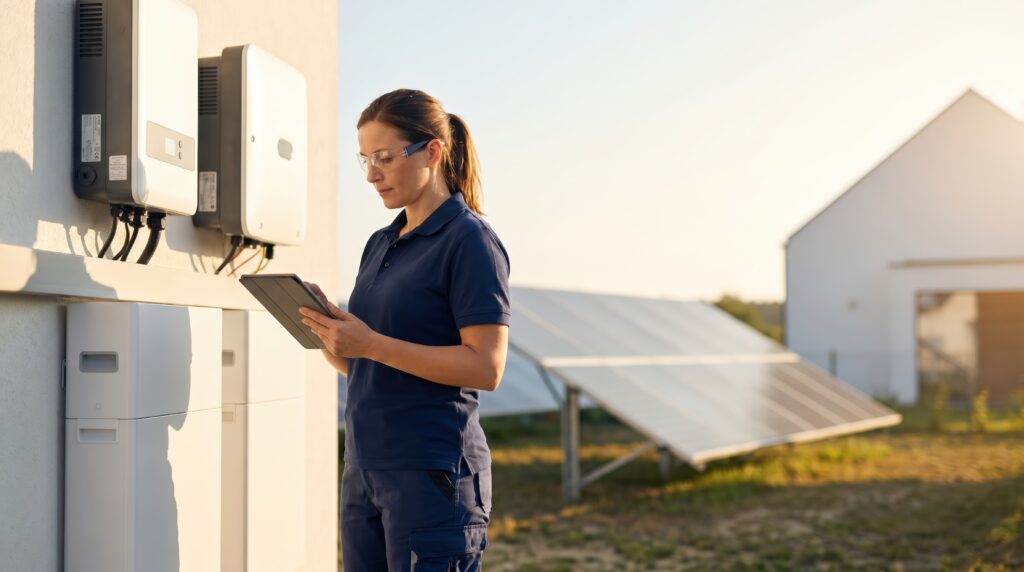
After installation is complete, the system typically undergoes inspections by the local Authority Having Jurisdiction (AHJ). Inspectors verify that the installation complies with current electrical and building codes before approving the project.
Occasionally, an inspector may identify items that need to be corrected before final approval can be granted. These corrections are usually straightforward, but they do require additional work and another inspection appointment. Careful installation practices and thorough internal reviews help minimize these situations and keep projects moving toward completion.
6. Utility Infrastructure Improvements
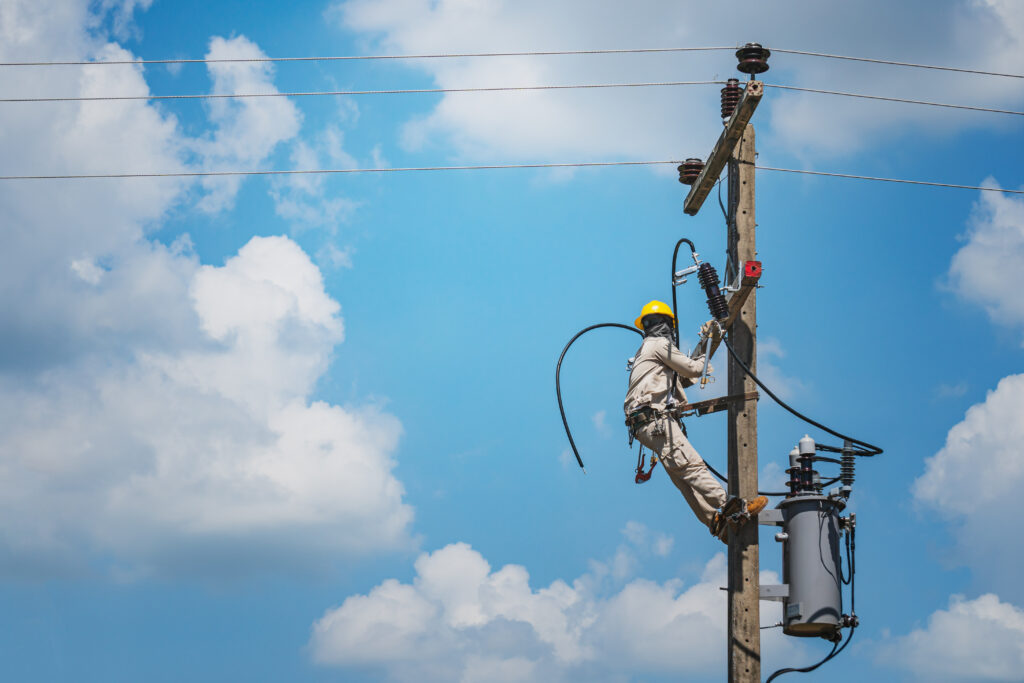
Although most residential solar systems connect to the existing electrical grid without issue, there are situations where the utility determines that additional infrastructure improvements are necessary. This may involve upgrading a neighborhood transformer, modifying service equipment, or completing other distribution system improvements before the new solar system can be interconnected.
Some utility infrastructure upgrades cannot be avoided, but we communicate with the utility throughout the project and keep homeowners informed if additional work is required.
7. Waiting for Permission to Operate
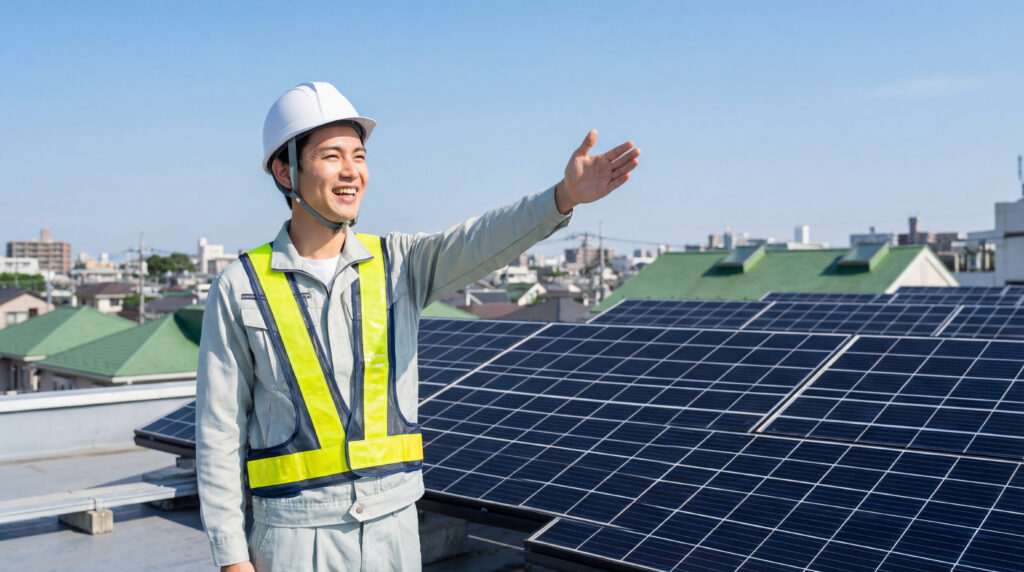
Even after the installation is complete and inspections have passed, one important step remains: receiving Permission to Operate (PTO) from the utility company. During this stage, the utility reviews final documentation, confirms that all requirements have been satisfied, and authorizes the system to begin exporting electricity to the grid.
For homeowners, this can be one of the most difficult parts of the process because the system is installed and ready to produce power, yet it cannot be turned on until the utility grants approval. Prompt submission of complete final documentation helps avoid unnecessary delays during this final stage.
Once inspections are complete, we promptly submit the documentation required for Permission to Operate. Getting paperwork to the utility quickly helps eliminate unnecessary delays during the final stage of the project.