Cascade Solar

Everything You Need to Know Before Investing in Solar

Installing solar is one of the biggest home improvements most homeowners will ever make. A typical residential solar system can cost around $30,000 before incentives, so it’s worth taking the time to understand exactly what you’re buying.

The good news is that a well-designed solar system can provide decades of savings while increasing your home’s value. The bad news is that not every home is a good fit, and not every installer offers the same quality of equipment or workmanship.

Before signing a contract, here are the questions every homeowner should ask.

1. Is My Home Actually a Good Candidate for Solar?

The first question is whether solar makes sense for your home at all. 

Some of the biggest factors include:

  • Roof orientation (south, southwest, and southeast usually perform best)
  • Roof condition and remaining lifespan
  • Amount of shade throughout the year
  • Available roof space
  • Your annual electricity usage
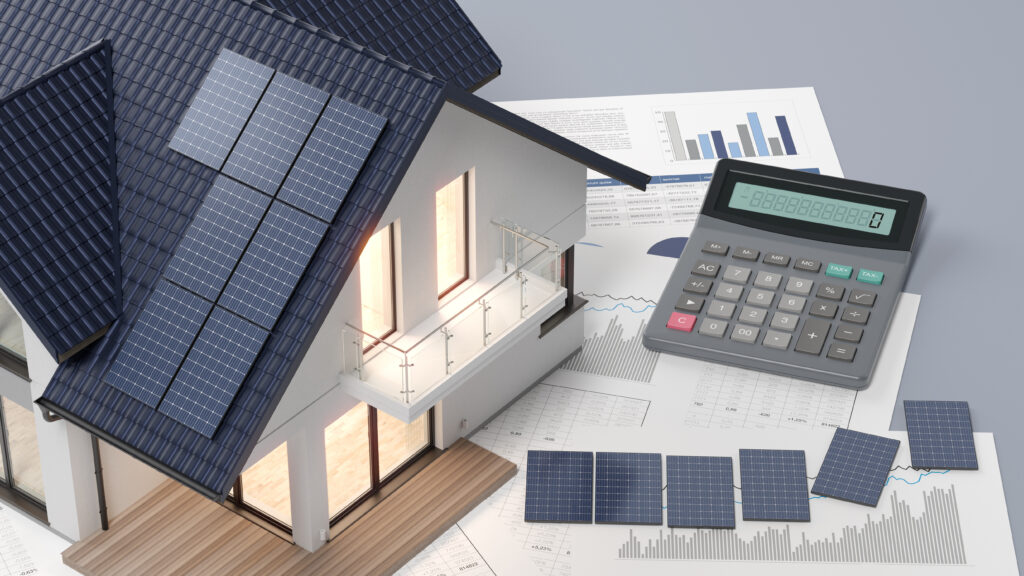
Illustration of a home with rooftop solar panels, a calculator, and financial charts representing solar cost analysis and savings.

A reputable installer should perform a site assessment rather than simply giving you a price based on your address. 

2. What Equipment Am I Getting?

Not all solar equipment is created equal.

It’s also worth asking about:

  • Panel efficiency
  • Product warranties
  • Performance warranties
  • Manufacturer reputation
  • Monitoring capabilities

Sometimes paying a little more for higher-quality equipment saves money over the long run.

3. How Much Electricity Will It Produce?

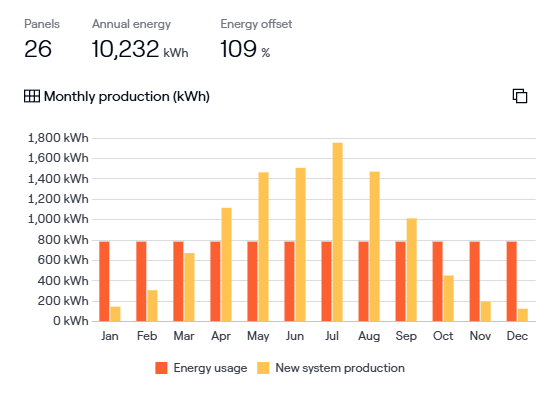
A proposal should estimate annual energy production, not just system size.

Two systems with the same number of panels can produce very different amounts of electricity depending on:

  • Roof angle
  • Orientation
  • Shade
  • Local weather
  • Equipment selection
Bar chart comparing monthly household energy usage with projected solar energy production from a 26-panel solar system, showing 10,232 kWh annual production and 109% energy offset.

Ask how the production estimate was calculated and whether it accounts for shade and local climate.

4. What Incentives Are Available?

Federal, state, and utility incentives can significantly reduce your out-of-pocket cost.

Depending on where you live, you may qualify for:

  • State incentives
  • Utility rebates
  • Net metering or other utility compensation programs

An experienced installer should explain which incentives you qualify for and how they affect your final investment. 

5. What Happens if I Need a New Roof?

If your roof is nearing the end of its life, replacing it before installing solar is usually the smartest financial decision.

Removing and reinstalling solar panels later adds cost that can often be avoided with proper planning.  Read more about suitable roof types.

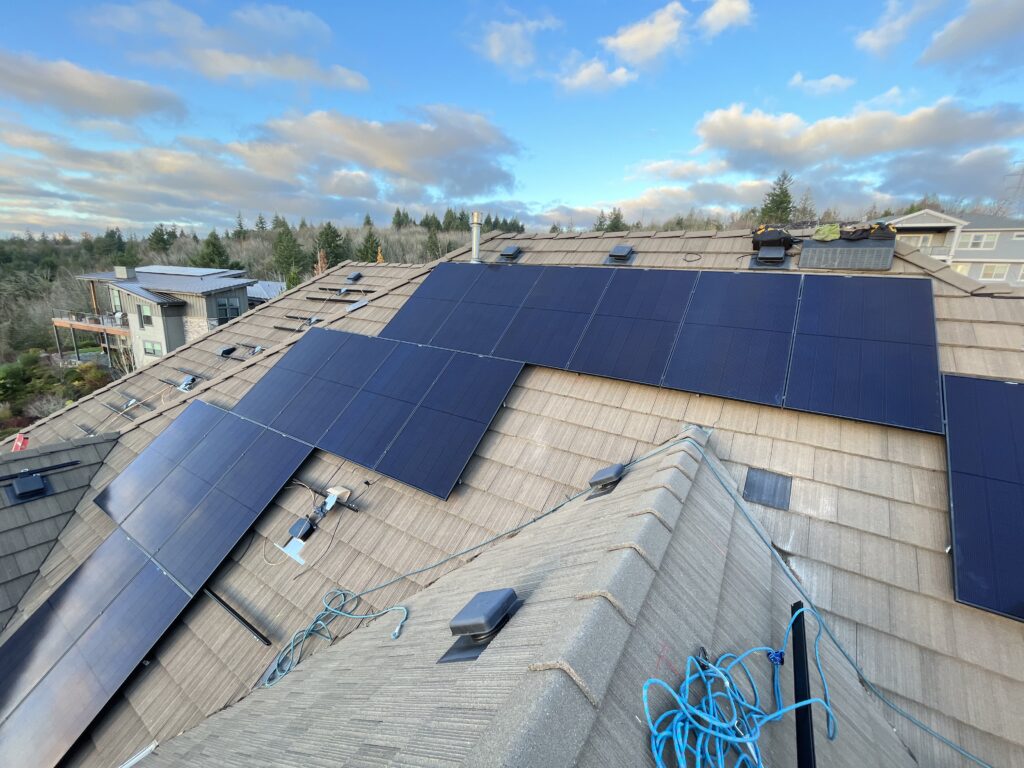
Residential solar installation on a concrete tile roof featuring black solar panels during construction.

6. Should I Add a Battery?

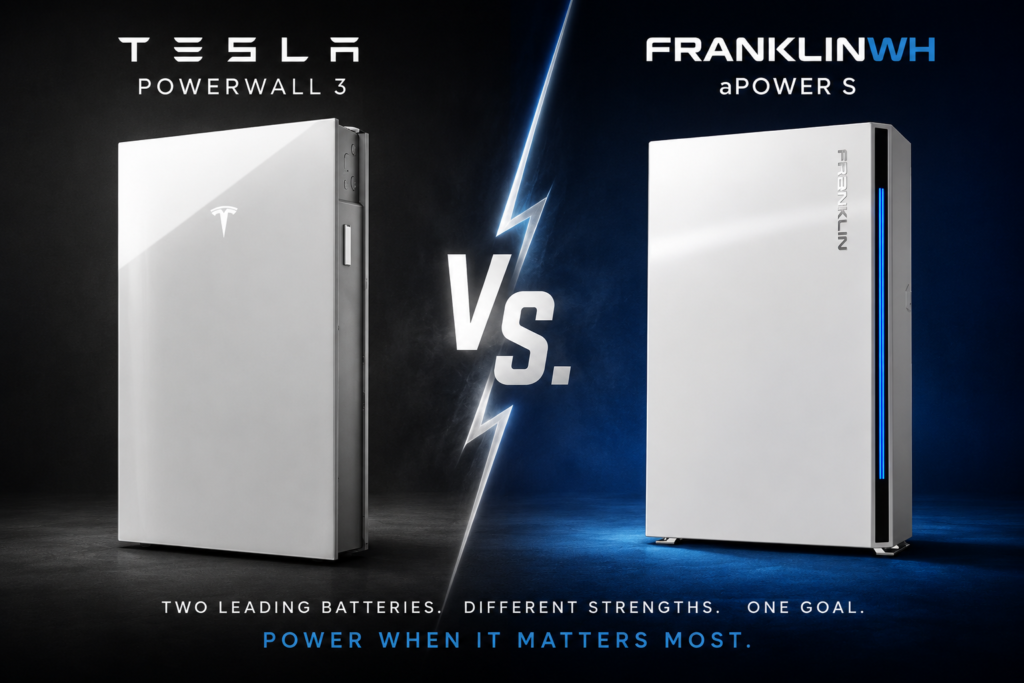
Battery storage isn’t necessary for every home, but it can provide valuable backup power during outages and may increase savings depending on your utility’s rate structure.

Questions to ask include:

  • What appliances will it power?
  • How long will it last during an outage?
  • Will it save money or primarily provide backup power?
  • Can it be added later?

7. What Warranties Are Included?

There are usually multiple warranties involved with a solar installation:

  • Solar panel warranty
  • Inverter warranty
  • Workmanship warranty
  • Roof penetration warranty

Understand what each warranty covers and who you’ll contact if an issue arises.

8. How Long Will It Take to Pay for Itself?

Payback depends on many factors, including:

  • Installation cost
  • Available incentives
  • Electricity rates
  • Energy usage
  • Utility rate increases
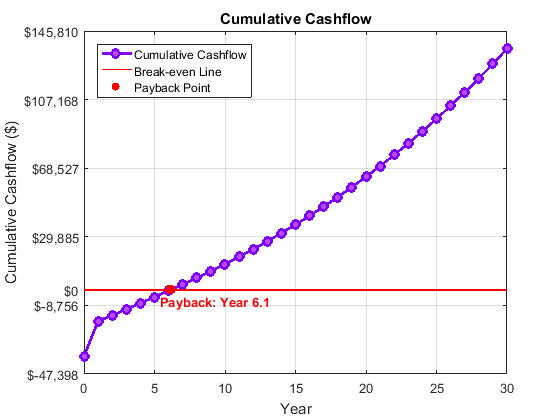
Line graph showing projected cumulative solar savings over 30 years, with a payback period of approximately 6.1 years.

Instead of focusing only on the payback period, ask what your estimated savings look like over 25 or 30 years. Solar is generally a long-term investment rather than a short-term purchase.

Scroll to Top