
Why FranklinWH?
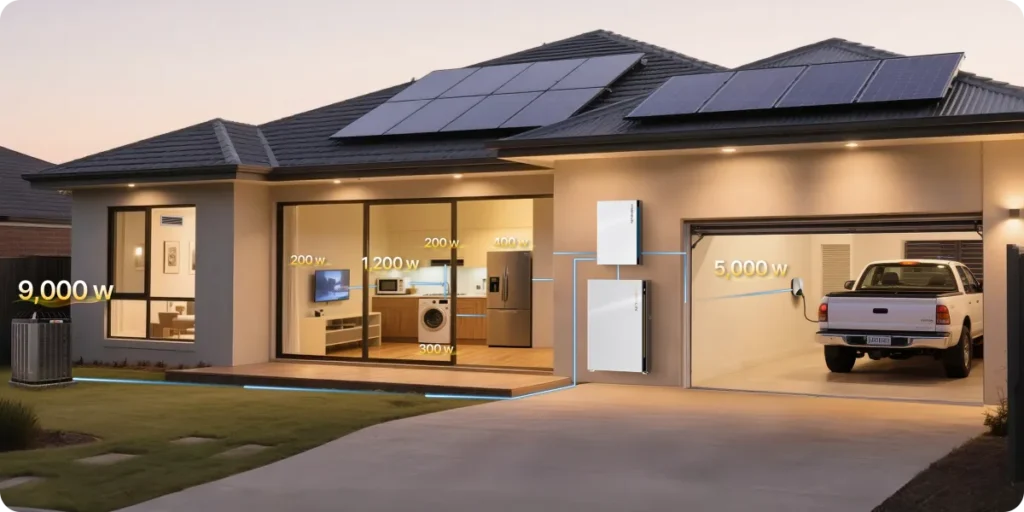
FranklinWH is a whole-home energy management system, not just a battery on the wall. The battery, aGate, smart circuits, solar, grid, generator, and controllable loads are meant to work together. That makes it really attractive for customers who want backup power but do not want to constantly think about what they can and cannot run during an outage.
aGate
The main control cabinet for the FranklinWH system. Think of it as the brain and traffic controller. It decides how power moves between the grid, solar, battery, generator, EV equipment, and backed-up home circuits.
Smart Circuits
Optional controllable circuits inside the FranklinWH setup. They let the system turn specific high-power appliances on or off, either automatically or through the app.
Controllable Loads
Appliances or circuits that the system can manage, such as an EV charger, water heater, dryer, heat pump, air conditioner, or other large electrical load. These can be turned off temporarily to avoid overloading the battery during an outage.
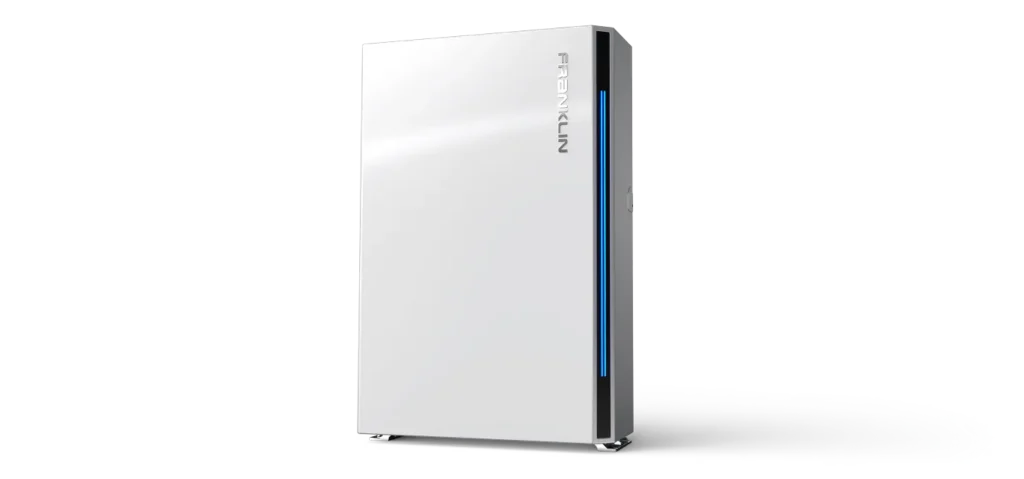
The aPower 2 is the cutting-edge second-generation home energy battery within the FranklinWH energy ecosystem, storing energy from solar, grid, generator, and EV. A single aPower 2 can power your entire home day and night or during outages.
Built for the
Most Demanding Needs
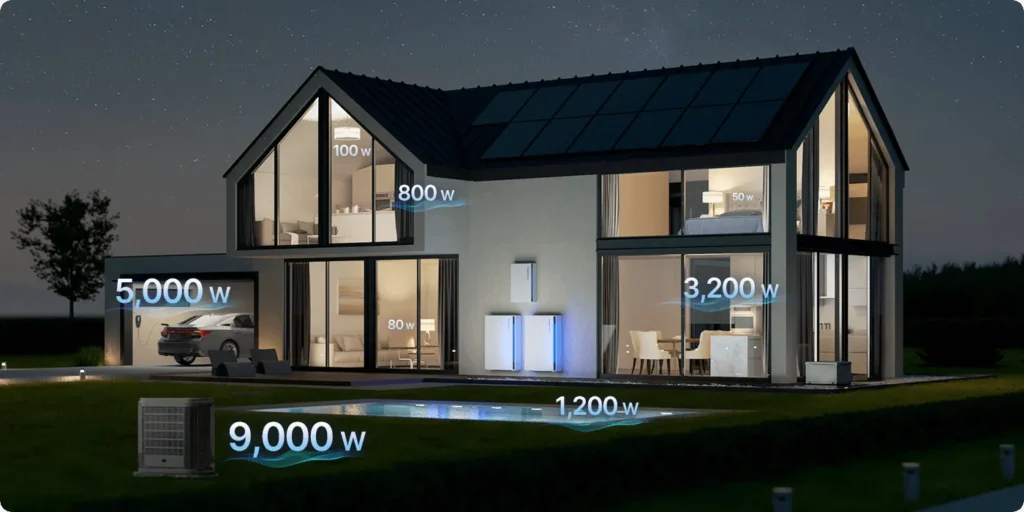
With 15 kWh of storage capacity and 10 kW of continuous power output, the aPower 2 is designed for serious whole-home energy needs. It can support high-demand equipment like air conditioning, heaters, and other major household loads, helping homeowners reduce energy costs while improving backup power resilience.
FranklinWH Battery Backup
Explore the FranklinWH aPower 2
Want a closer look at FranklinWH whole-home battery backup? Learn more about the aPower 2, including capacity, output, warranty details, and how it supports home energy resilience.
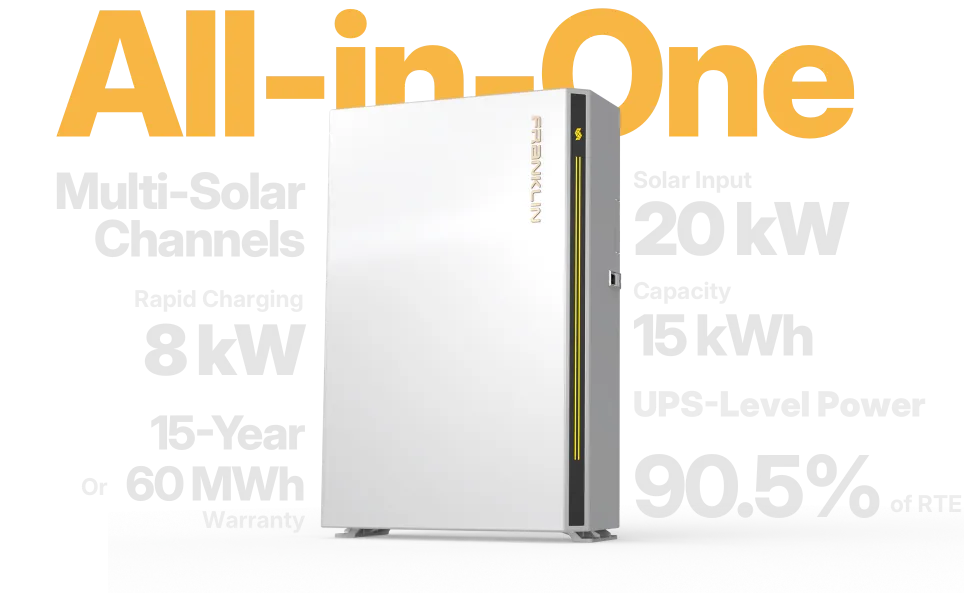
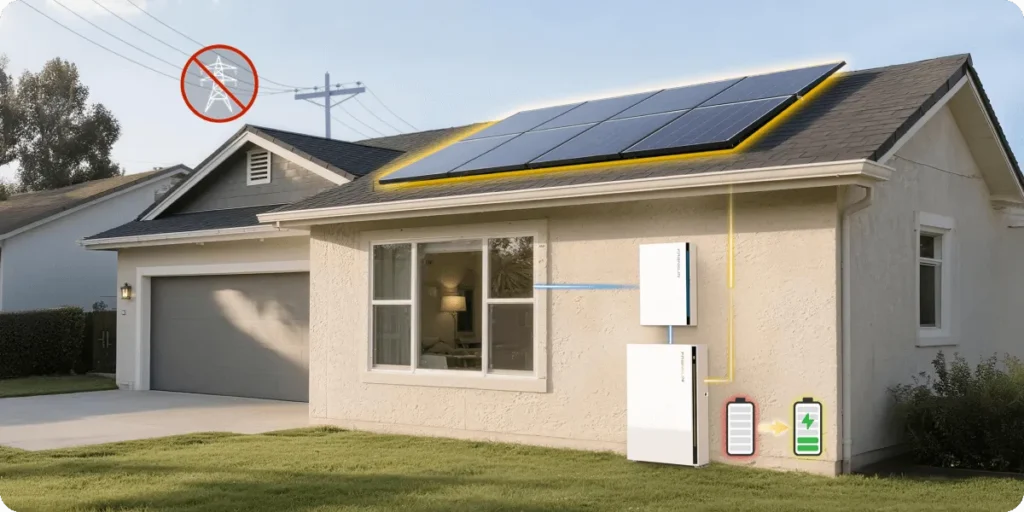
View FranklinWH Battery DetailsThe aPower S is a new-generation home energy solution that integrates a previously separate solar inverter and battery storage into a single unit.
Built for
Maximum Solar Input
A single aPower S unit can support up to 20 kW of solar input, making it especially well suited for larger homes, custom-built properties, and small commercial buildings. This allows homeowners to make better use of available roof space while maintaining strong charging performance, even during periods of lower solar irradiance.
Battery Backup Comparison
```FranklinWH vs Tesla Powerwall
Comparing home battery options? See how FranklinWH and Tesla Powerwall stack up on storage capacity, backup power, solar integration, smart load control, and overall value for Oregon homeowners.
Read the FranklinWH vs Tesla Powerwall Guide ```FranklinWH FAQ
```Frequently Asked Questions About FranklinWH Battery Backup
What is FranklinWH?
FranklinWH is a whole-home energy management system that combines battery storage, solar integration, backup power, and smart energy controls. It helps homeowners store energy, reduce reliance on the grid, and keep important loads running during outages.
What does a FranklinWH battery do?
A FranklinWH battery stores energy from solar panels or the grid so it can be used later. During normal operation, it can help reduce energy costs by using stored power when utility rates are higher. During an outage, it can provide backup power for your home.
How much energy does the FranklinWH aPower 2 store?
The FranklinWH aPower 2 stores 15 kWh of energy per battery, giving homeowners a strong amount of backup capacity in a single unit.
How much power can the aPower 2 provide?
The aPower 2 provides 10 kW of continuous power output, allowing it to support many common household loads, including larger appliances. Actual performance depends on the home’s electrical loads, battery configuration, and system design.
Can FranklinWH power my whole home during an outage?
Yes, FranklinWH is designed for whole-home backup. The final design depends on your home’s energy usage, the number of batteries installed, and which loads you want backed up.
Can FranklinWH run air conditioning?
In many cases, yes. FranklinWH systems can support high-demand loads like air conditioning, heaters, well pumps, and other major appliances when the system is designed correctly.
What is the difference between FranklinWH aPower 2 and aPower S?
The aPower 2 is FranklinWH’s battery designed for flexible whole-home backup and energy storage. The aPower S adds direct solar integration, allowing solar panels to connect directly into the battery system for larger or more solar-heavy installations.
Can FranklinWH work with existing solar panels?
Yes, FranklinWH can often be added to homes that already have solar. The right setup depends on the existing inverter, electrical equipment, available space, and backup power goals.
Does FranklinWH include smart load control?
Yes, FranklinWH systems can be designed with smart load management. This helps prioritize important loads and reduce lower-priority loads when needed, which can extend backup time and prevent overloading the system.
How long will a FranklinWH battery power my home?
Backup duration depends on how much energy your home uses, how many batteries are installed, whether solar is available to recharge the system, and which loads are backed up.
Is FranklinWH better than Tesla Powerwall?
FranklinWH and Tesla Powerwall are both strong home battery options, but they are designed a little differently. FranklinWH is especially attractive for homeowners who want robust whole-home backup, flexible system design, generator integration, and smart load control.
Is FranklinWH worth it?
For homeowners who want backup power, solar storage, and more control over home energy use, FranklinWH can be a strong investment. It can help protect against outages, reduce grid dependence, and improve how solar energy is used throughout the day and night.
Ready for Backup Power?
```Protect Your Home with FranklinWH Battery Backup
Whether you are adding battery storage to existing solar or designing a new whole-home energy system, Cascade Solar can help you choose the right FranklinWH setup for your home, budget, and backup power goals.
```Schedule Your Battery Consultation